Ageing & Dullness

Specialisation

Ageing & Dullness

Managing ageing begins with understanding its causes and choosing sustainable solutions.

Understanding Ageing & Dullness
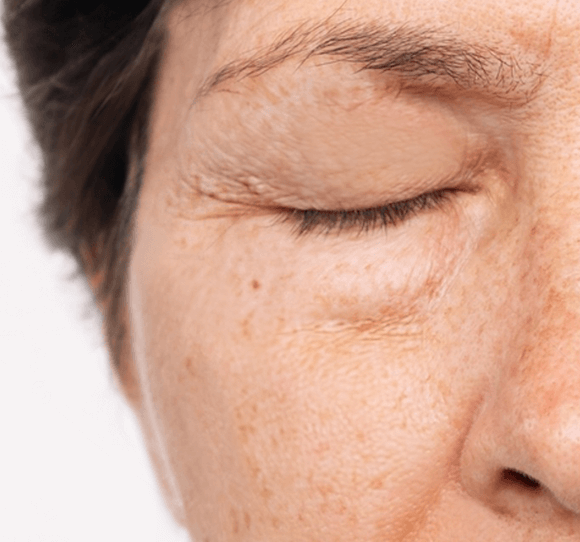
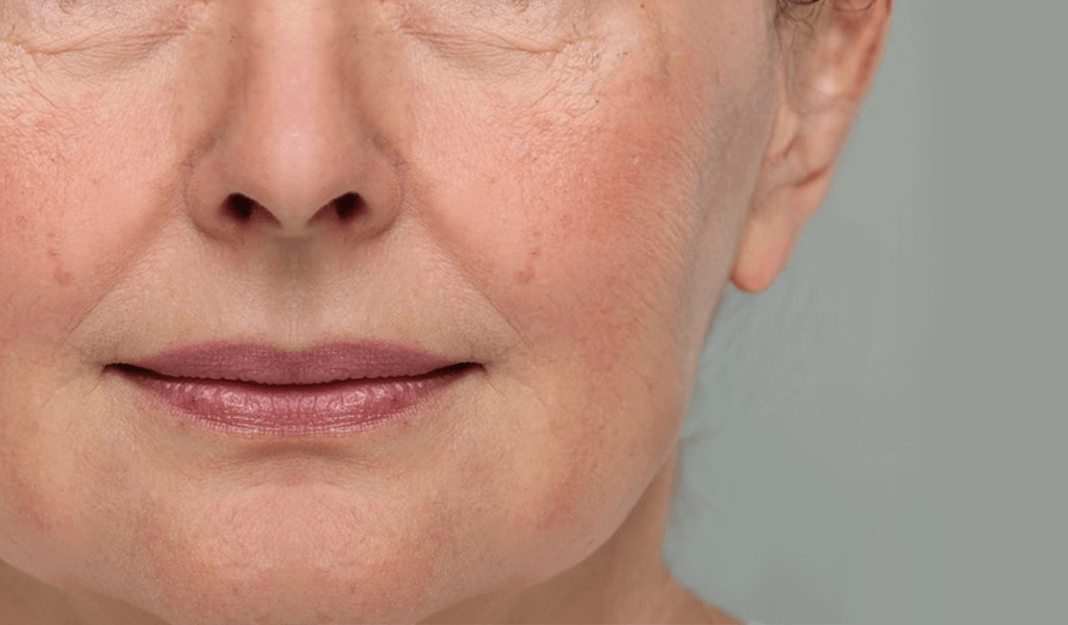
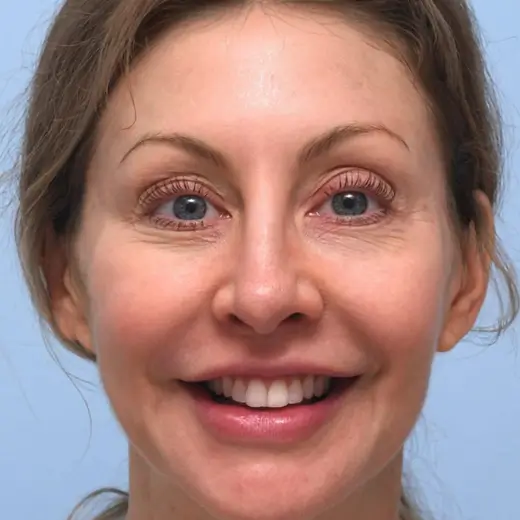
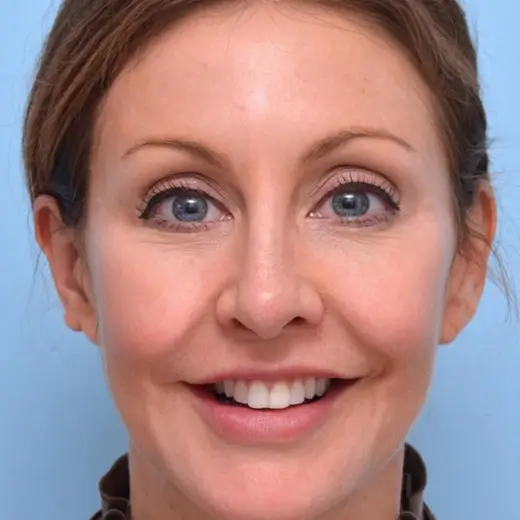
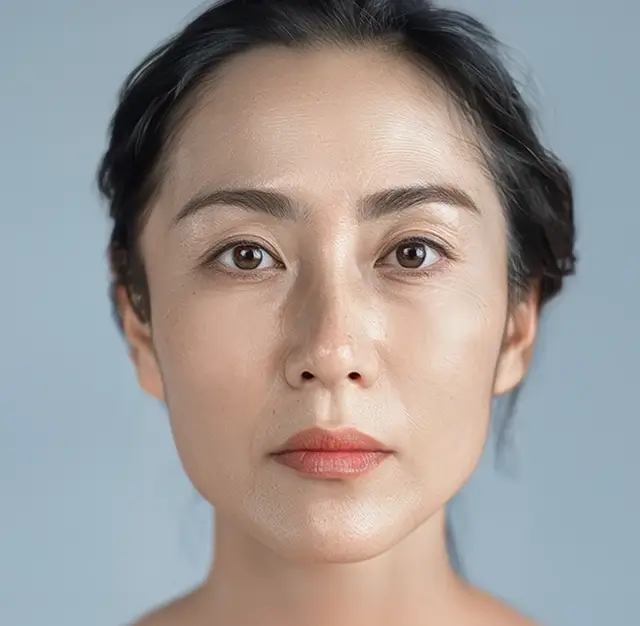
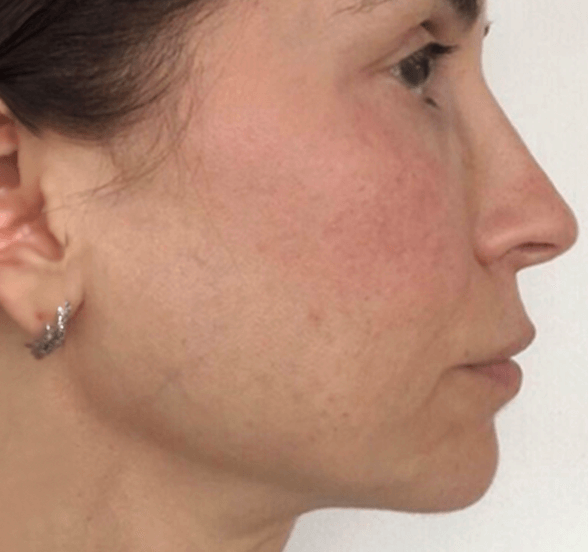
Ageing is natural, but how skin matures varies across life stages. Understanding age-specific concerns helps in choosing targeted anti-ageing solutions. As skin ages, it loses elasticity, thins, and produces less collagen, causing fine lines, wrinkles, and sagging. Sun exposure, pollution, and lifestyle habits also lead to age spots, dryness, and dullness.
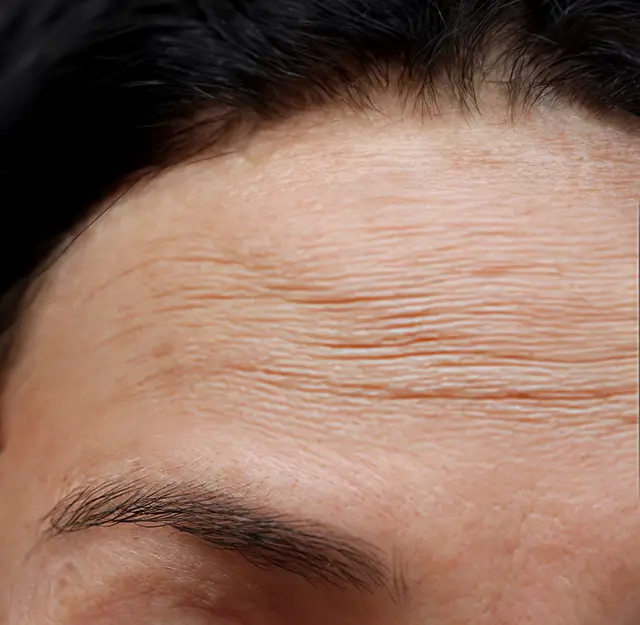
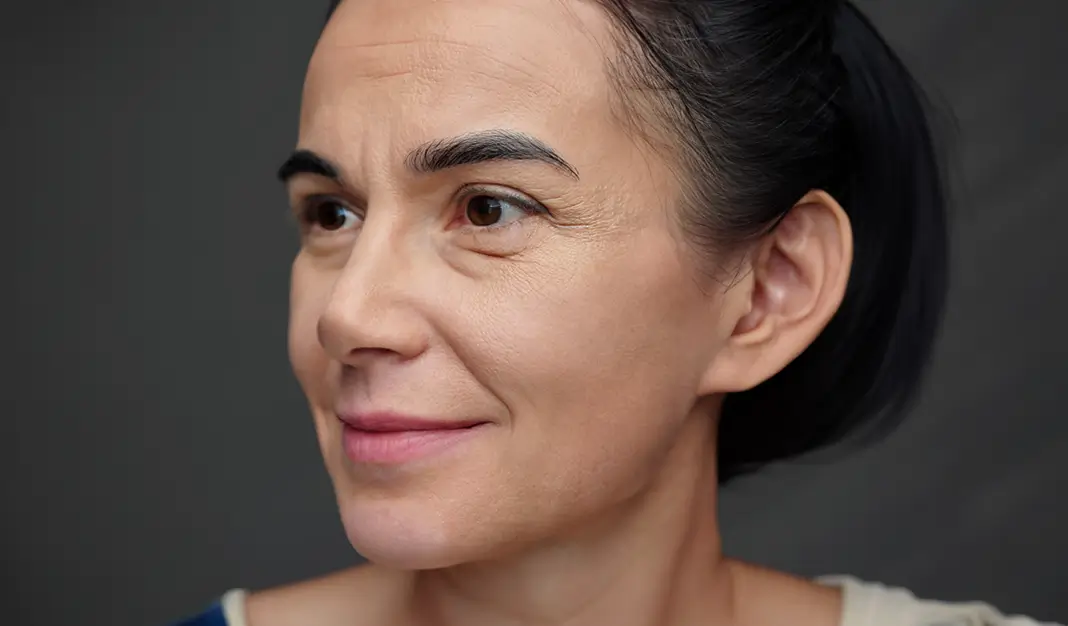
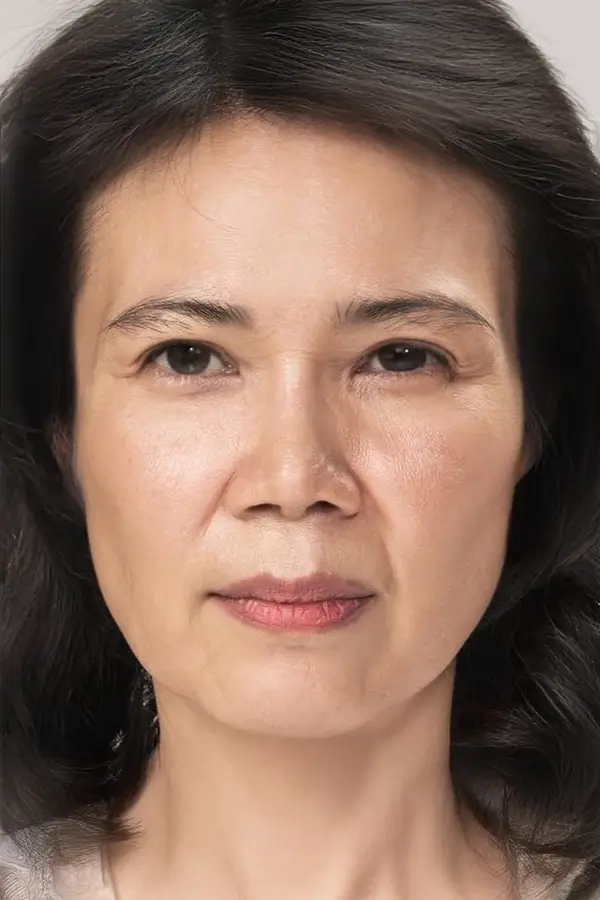
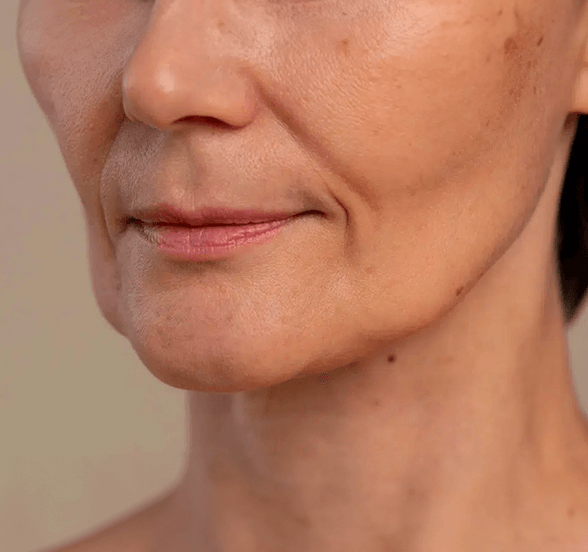
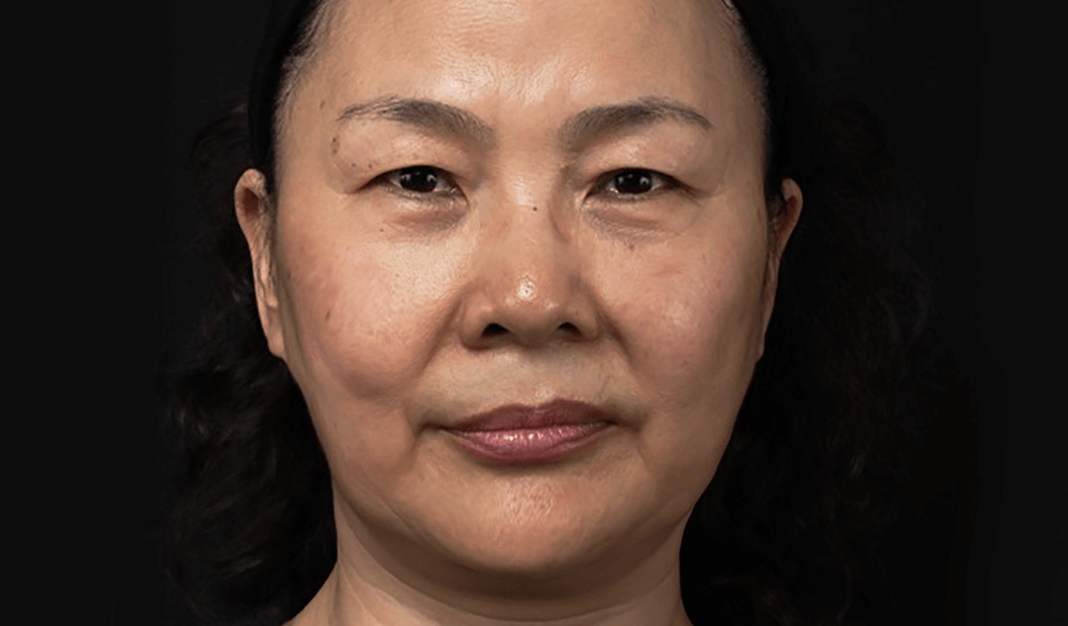
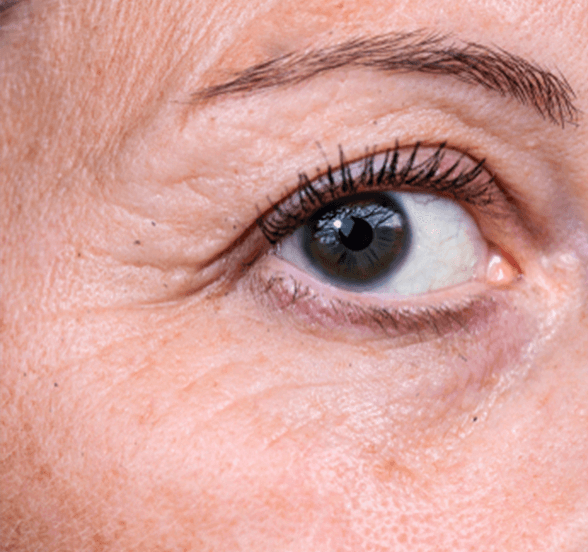
⬑ Lines & wrinkles typical in the late 40s
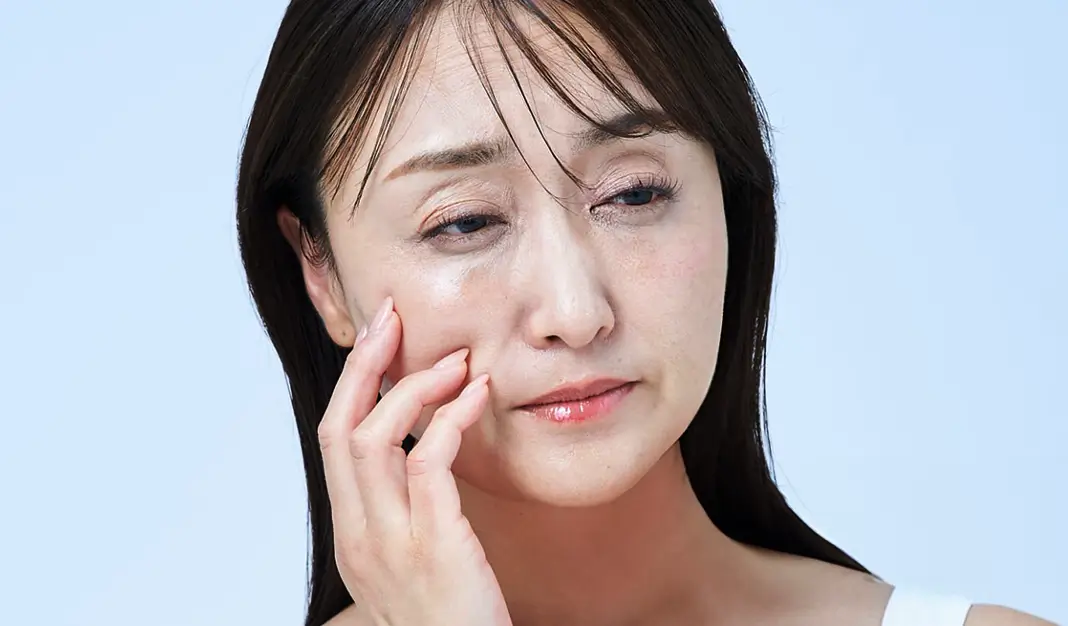
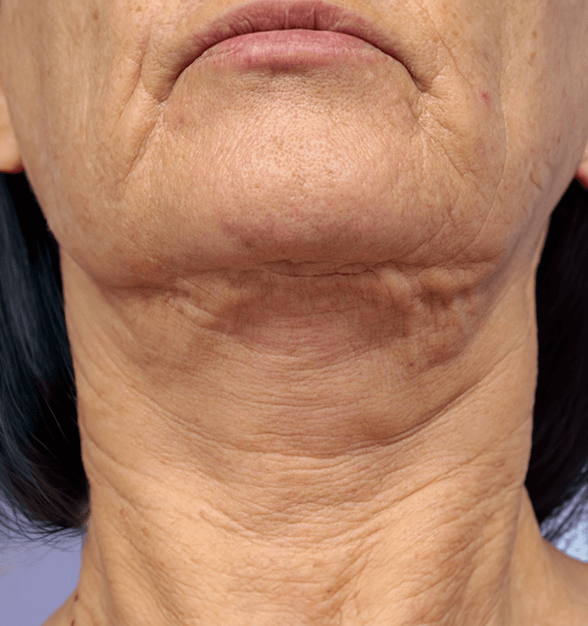
⬑ Sagging skin due to genetic, skincare, and environment factors

Conditions Across Life Stages
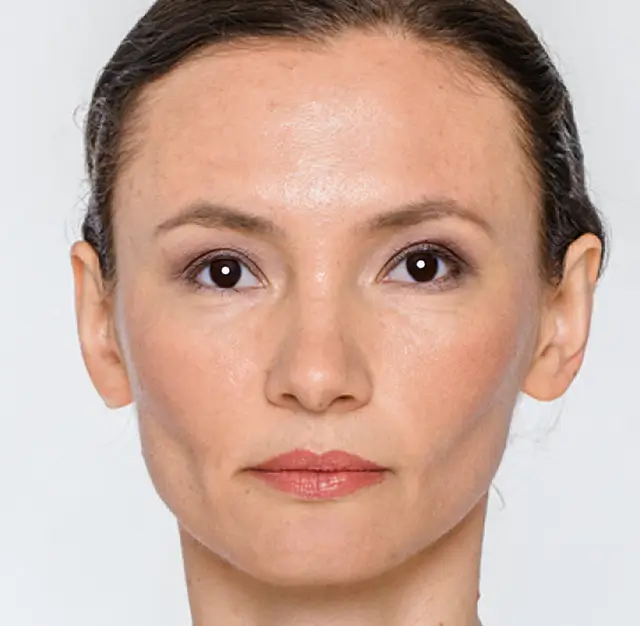
In Your 20s
Collagen production starts declining from as early as the early 20s. Fine lines from facial expressions, dullness, and early sun damage may start to appear, especially around the eyes and forehead. Early prevention with beneficial natural natural treatments, sun protection, plant and antioxidant-based skincare is key to maintaining youthful skin, right from the start.
⬑ Faint fine lines forming around the eyes and forehead
⬑ Uneven skin tone and mild dullness from environmental stress
In Your 30s
Skin renewal slows down, and the effects of UV exposure, lifestyle, and stress become more visible. Fine lines deepen, elasticity begins to decline, and pigmentation spots may emerge. The skin may start feeling drier, and uneven texture becomes more pronounced.
⬑ More prominent fine lines on the forehead and around the mouth
⬑ Emerging pigmentation and dull skin tone from sun exposure
In Your 40s
The breakdown of collagen and elastin accelerates, leading to noticeable sagging, especially along the jawline, cheeks, and neck. Wrinkles deepen, dryness increases, and the skin loses its natural glow. Age spots may darken, and the skin barrier weakens, making it more sensitive to irritation.
⬑ Skin laxity and sagging along the jawline and neck
⬑ Deepening wrinkles and loss of natural skin bounce
In Your 50s & Beyond
Menopause (females) and andropause (males) related hormonal changes lead to a rapid loss of collagen, moisture, and skin density, causing thin, crepey skin, deeper folds, and increased sagging. The skin may also bruise more easily, and age spots become more prominent.
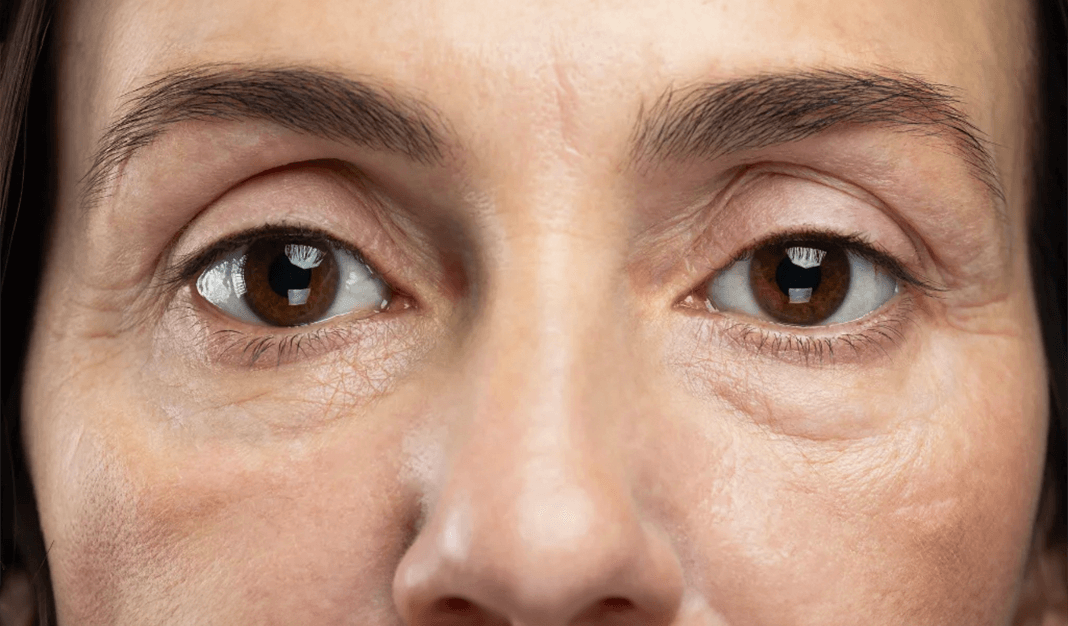
⬑ Loss of facial volume and thinning skin, especially around the cheeks and eyes
⬑ More pronounced wrinkles and dryness leading to crepey skin texture

Common Conditions

Lines and Wrinkles
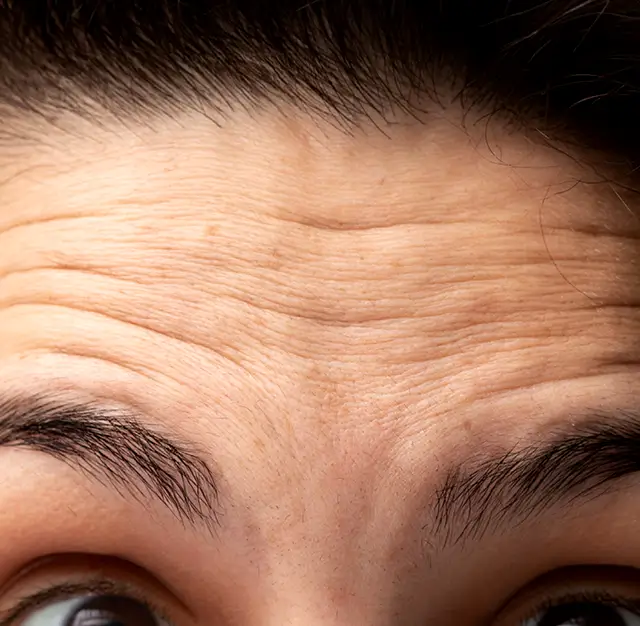
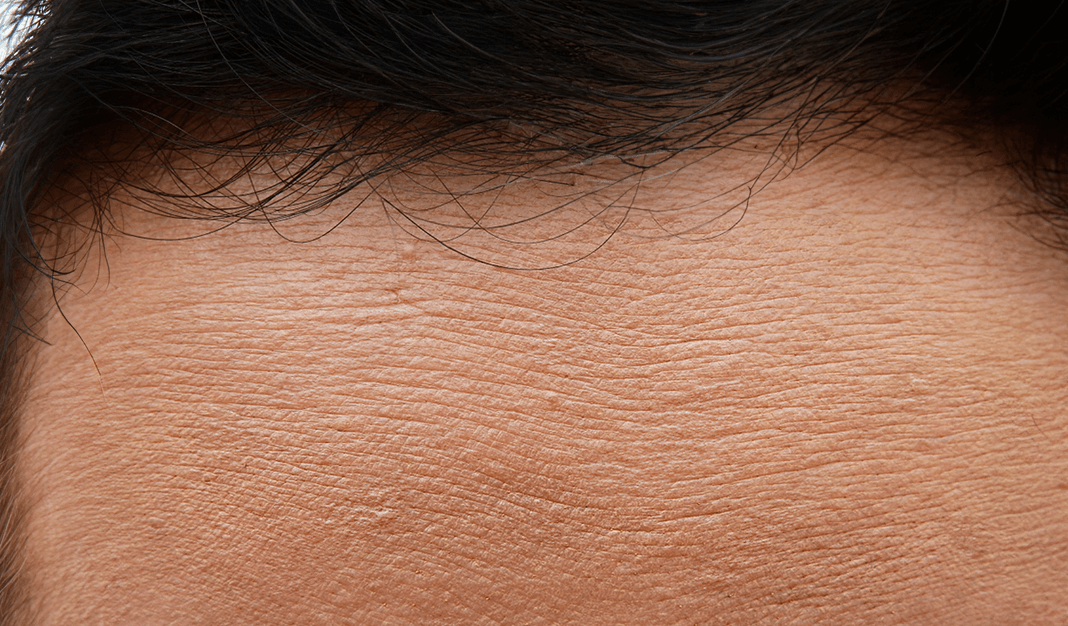
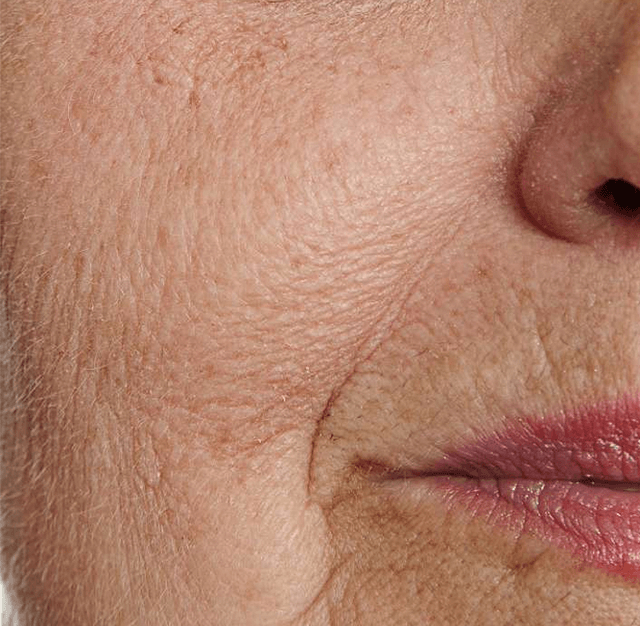
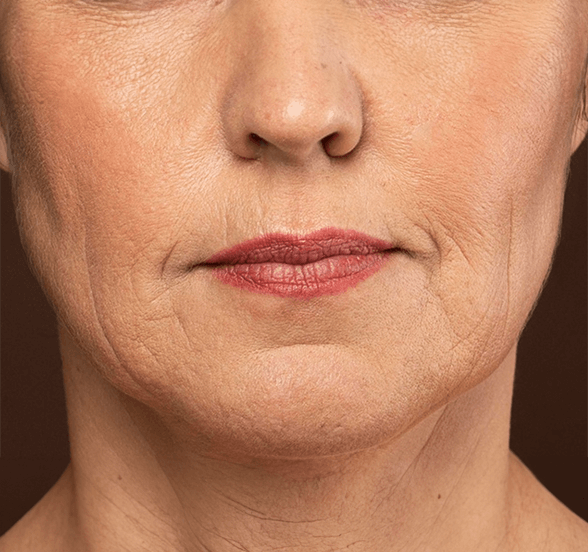
Caused by declining collagen and elastin, fine lines appear around the eyes, mouth, and forehead, becoming deeper with repeated facial expressions and sun exposure.
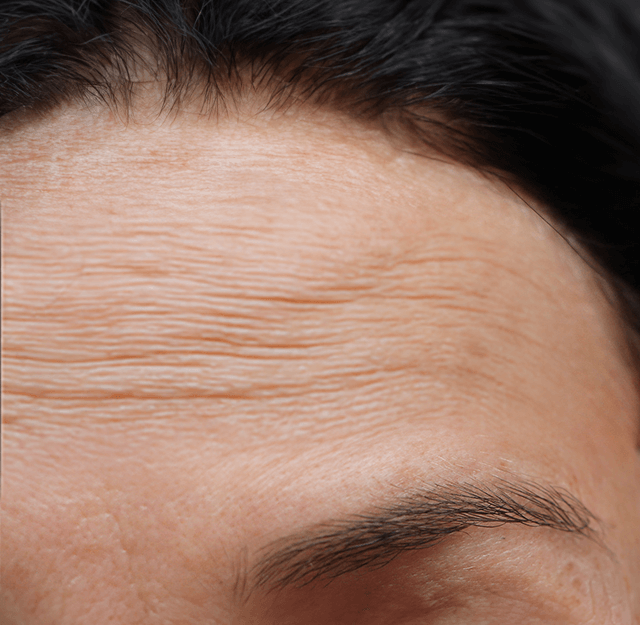
⬑ Fine lines around the forehead
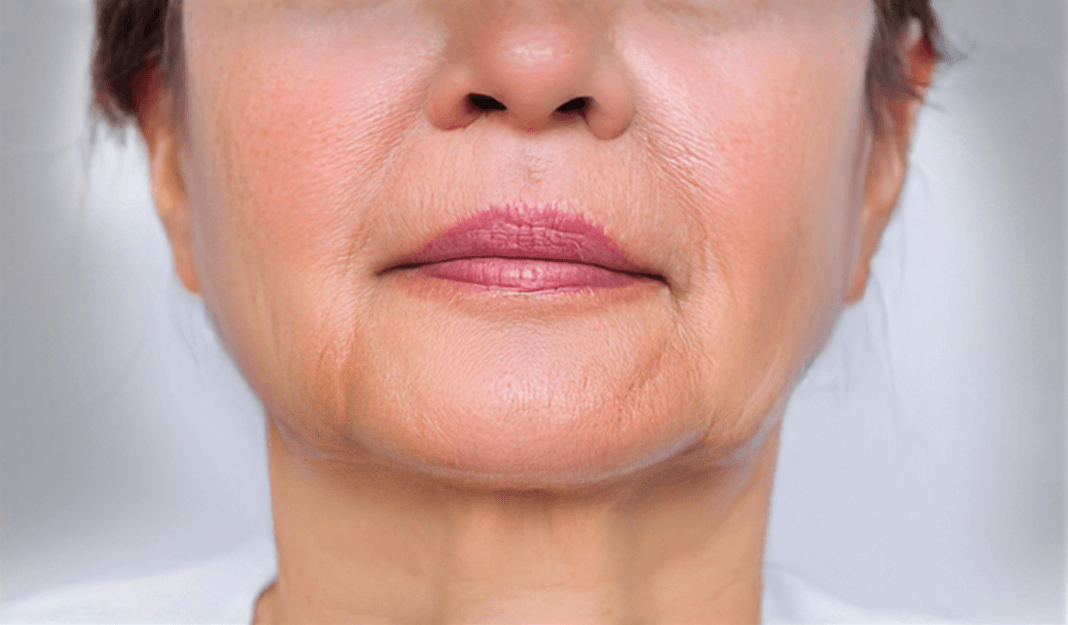
⬑ Folds and wrinkles around the mouth and jaw area
Sagging Skin
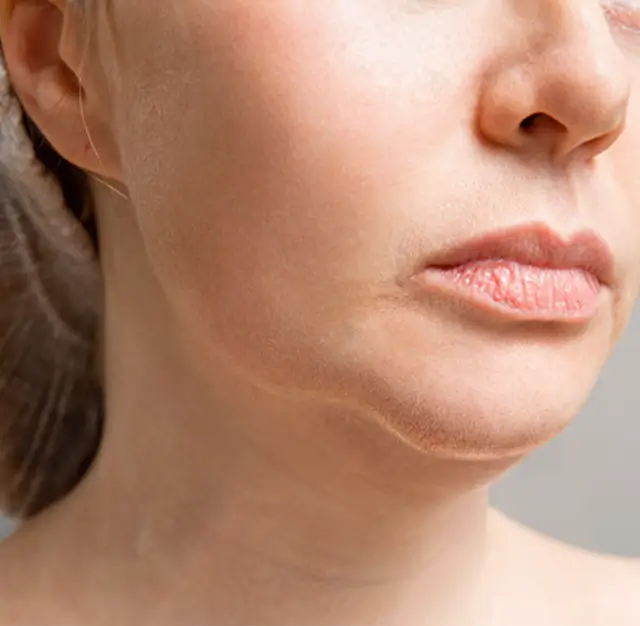
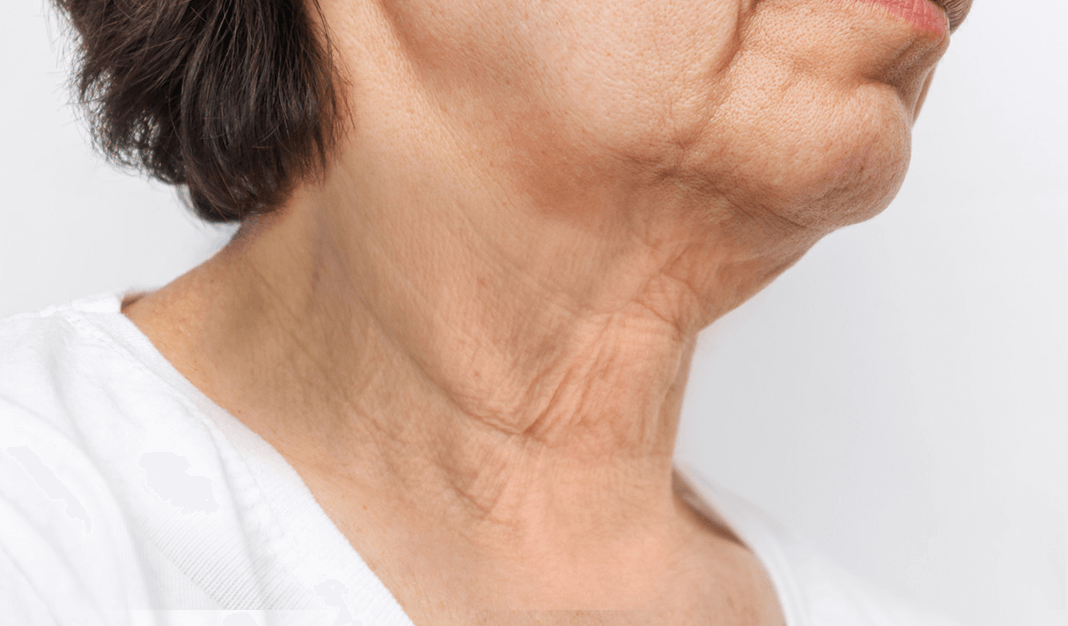
Loss of collagen, elastin, and facial fat leads to sagging, especially along the jawline, cheeks, and neck, causing drooping and reduced skin firmness.
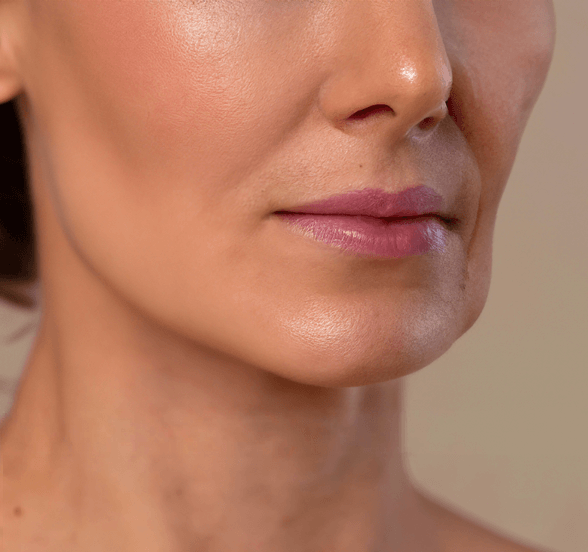
⬑ Sagging at the lower face and jawline
⬑ Loose and saggy skin at the jawline and neck area
Rough and Uneven Texture
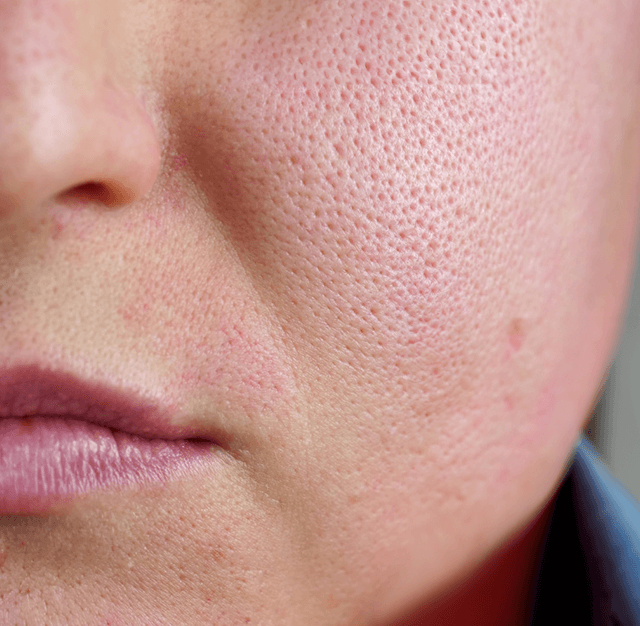
It is caused by environmental exposure, dead skin buildup, and reduced collagen production, leading to roughness, enlarged pores, and an uneven skin texture.
⬑ Rough texture and blotchy skin tone
⬑ Coarse and visible skin texture irregularities
Dryness and Dullness
Reduced oil production, slower cell turnover, and moisture loss cause dry, flaky skin with a dull, tired appearance and lack of natural radiance.
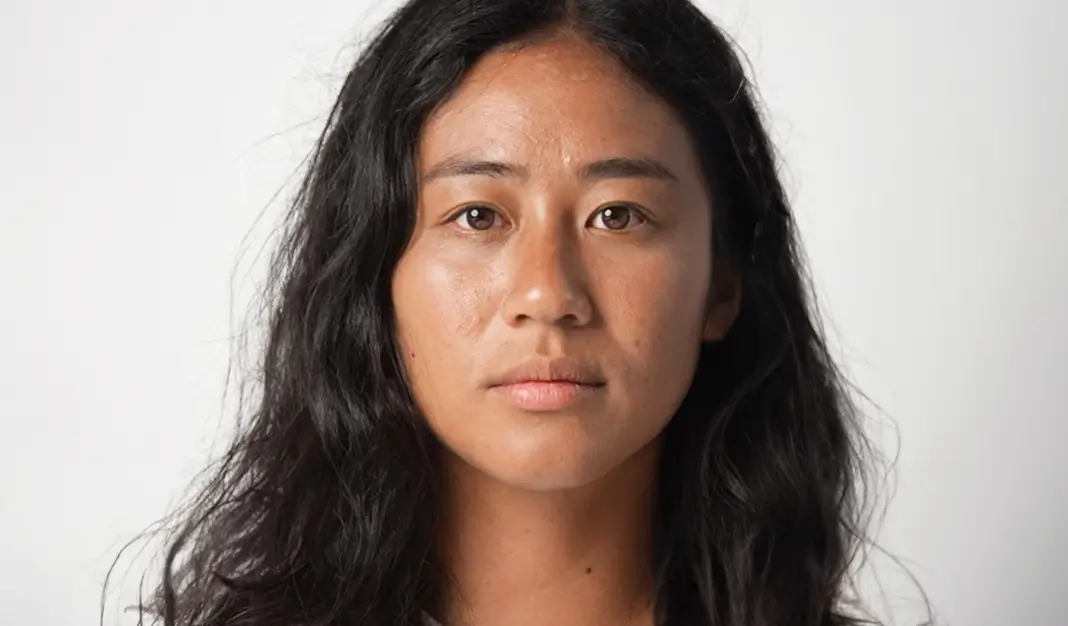
⬑ Dehydrated and malnourished skin tone
⬑ Dull skin tone with visible lack of youthful radiance
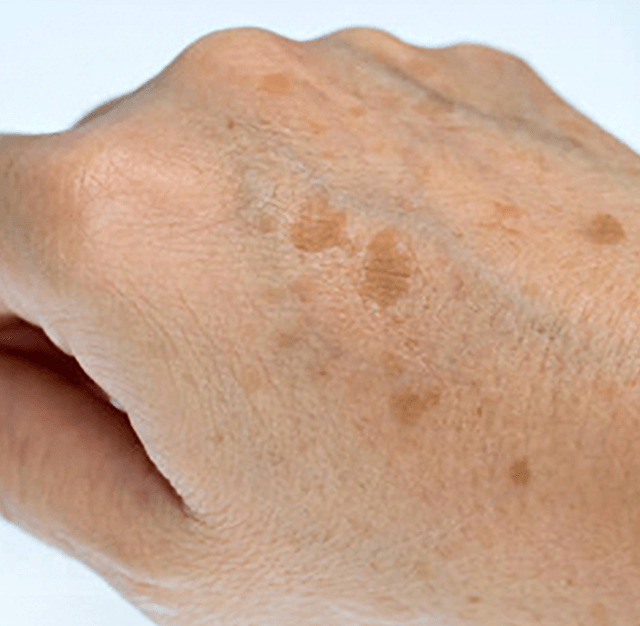
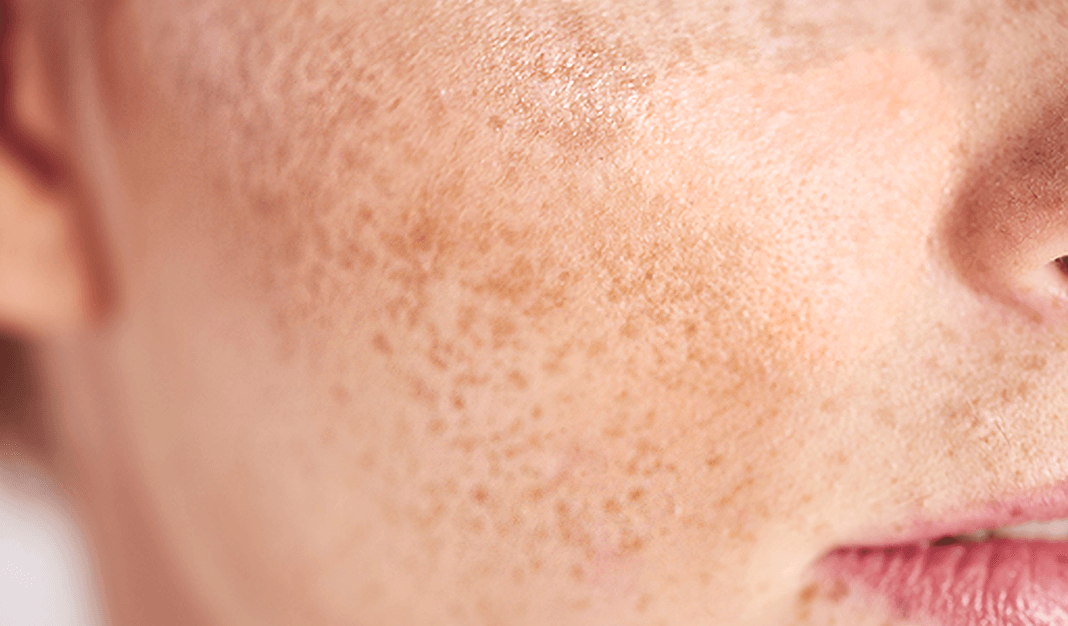
Age Spots
Prolonged sun exposure triggers melanin overproduction, causing dark spots, commonly on the face and hands. They darken over time without proper sun protection.
⬑ Developing age spots
⬑ Age spots and hyperpigmentation

We're here to help you manage your skin concerns.

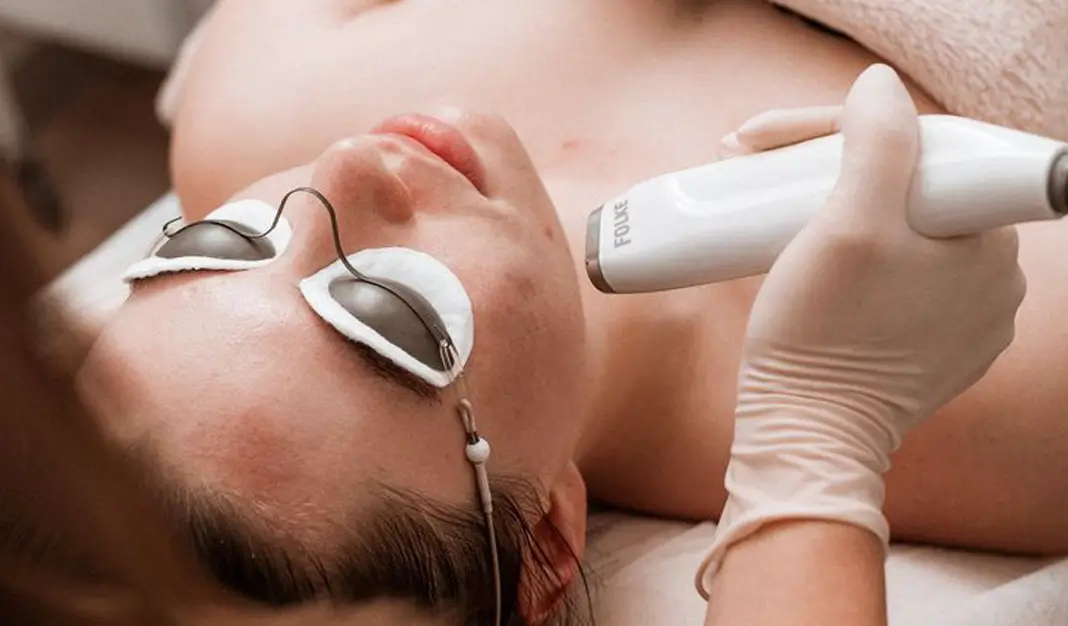
At Folke®, we address skin concerns at the root for lasting results. Our painless, non-invasive, customised plant-tech approach protects your skin and health, delivering visible, personalised improvements backed by over 20 years of expertise.
Disclaimer

At Folke®, we offer treatments and skincare products designed to support skin health, with results varying based on factors like skin type, conditions, lifestyle, and treatment adherence. Our information is based on in-clinic observations, client experiences, and published academic materials. While claims and comparisons to mainstream therapies reflect general research, reactions to treatments can vary. Not every patient will experience the same results, and some may tolerate treatments better than others. Folke®, its founder Charles Ng, staff, and representatives are not responsible for discrepancies or differing opinions. This content is for educational purposes and should not replace professional medical advice, diagnosis, or treatment. While Folke® is committed to high-quality treatments and products for skin concerns, individual outcomes may vary. The effectiveness of our treatments depends on various factors, and Folke® cannot guarantee specific results for every client. We encourage clients to consult with our professionals to set realistic expectations tailored to their needs. This information should not replace professional medical advice or treatment.

Academic References:
Baumann L et al., “Skin ageing and its treatment.” Journal of the American Academy of Dermatology 60, no. 4 (2009): 532-543.

Grimes PE et al., “Histologic changes in aging skin and its management.” Journal of the American Academy of Dermatology 55, no. 5 (2006): 768-775.

Lim JT et al., “Sun protection and prevention of aging and hyperpigmentation.” Journal of the American Academy of Dermatology 82, no. 5 (2020): 1236-1245.

Sadick NS et al., “The impact of collagen production on skin ageing.” Journal of Clinical and Aesthetic Dermatology 13, no. 6 (2020): 18-25.

Sivamani RK et al., “Natural alternatives for treating aging skin and inflammation.” Journal of Drugs in Dermatology 18, no. 8 (2019): 788-794.

Goldberg DJ et al., “Pigment-safe laser treatments for aging skin.” Journal of Cosmetic and Laser Therapy 17, no. 6 (2015): 314-320.

Chung JH et al., “Long-term outcomes of CO2 laser treatment for pigmentation.” Journal of Dermatological Treatment 29, no. 4 (2018): 365-370.

Kraft JN et al., “The role of inflammation in aging and hyperpigmentation management.” Journal of Clinical and Aesthetic Dermatology 11, no. 8 (2018): 16-23.

Passeron T et al., “Melasma and aging: Pathogenesis and treatments.” Dermatologic Clinics 32, no. 3 (2014): 291-299.

Katsambas A et al., “Hyperpigmentation and aging treatment strategies.” Journal of the European Academy of Dermatology and Venereology 23, no. 7 (2009): 751-760.

Rodriguez CI et al., “Role of oxidative stress in aging and hyperpigmentation: Mechanisms and treatments.” Journal of Clinical and Aesthetic Dermatology 12, no. 4 (2019): 28-35.

Del Rosario C et al., “Tyrosinase inhibitors: Strategies to control melanin production in aging and hyperpigmentation disorders.” International Journal of Molecular Sciences 22, no. 11 (2021): 6150.

Alvarez OM et al., “Botanical extracts for skin lightening and anti-aging: Efficacy and safety.” Journal of Cosmetic Dermatology 17, no. 6 (2018): 1067-1074.

Aldahan AS et al., “Topical treatments for melasma, aging, and hyperpigmentation.” Journal of Clinical and Aesthetic Dermatology 11, no. 2 (2018): 19-23.

Bikowski JB et al., “Prevention and management of post-inflammatory hyperpigmentation in aging skin.” Journal of Drugs in Dermatology 17, no. 9 (2018): 925-932.

Hassim Z et al., “Management of collagen depletion and fat layer loss in aging skin.” Journal of Dermatology 47, no. 5 (2020): 431-437.

Grimes PE et al., “Management of exogenous ochronosis caused by topical hydroquinone in aging skin.” Journal of Dermatology 47, no. 5 (2020): 431-437.

Verallo-Rowell VM et al., “Safety and efficacy of botanical agents in managing aging and hyperpigmentation.” Dermatologic Therapy 33, no. 5 (2020): e13963.

Boonchai W et al., “Post-inflammatory hyperpigmentation and aging: Risk factors and prevention.” International Journal of Dermatology 55, no. 5 (2016): 487-495.

Sardana K et al., “Rebound pigmentation and its management in aging and hyperpigmentation disorders.” Indian Journal of Dermatology, Venereology, and Leprology 85, no. 3 (2019): 243-250.

Poon TS et al., “Age-related changes in hyperpigmentation and effective management strategies.” Journal of Clinical and Aesthetic Dermatology 14, no. 7 (2021): 32-40.

Handog EB et al., “Challenges in the management of hyperpigmentation and aging: Prevention and treatment.” Journal of Clinical and Aesthetic Dermatology 9, no. 1 (2016): 15-24.

Grimes PE et al., “Histologic changes in hyperpigmented skin.” Journal of the American Academy of Dermatology 55, no. 5 (2006): 768-775.

Nistico SP et al., “Efficacy of botanical formulations for managing aging and hyperpigmentation.” Journal of Dermatological Treatment 31, no. 4 (2020): 395-402.

Draelos ZD et al., “Efficacy of natural ingredients in anti-aging and skin lightening.” Journal of Drugs in Dermatology 18, no. 6 (2019): 586-591.

Redefining Ageing, Naturally

Forget quick fixes and silent critiques. Folke’s integrative solutions firm, plump, and restore elasticity, enhancing collagen production and refining skin texture for lasting, graceful results while elevating your natural look and character.
Like fingerprints, every client is unique. Folke’s plant-tech approach combines botanical formulations and non-invasive technologies, tailoring solutions unique to your skin condition, history, and lifestyle for targeted, effective care — without drugs, medication, or harsh procedures.

Plant-Based, Non-Invasive Approach

We address ageing and hyperpigmentation with a reactive and preventive approach, targeting existing concerns while helping prevent future signs—all while working in harmony with your skin’s natural processes.
Unlike invasive treatments that provide temporary results and may cause volume loss, excessive tightness, or pigmentation rebound, our methods stimulate collagen production, enhance elasticity, even skin tone, and boost hydration for long-lasting, natural-looking results.
⬑ Targeting from the inside out, from the fascia, to the epidermis
⬑ In-depth infusion of phytochemicals customised based on your needs using plant extracts and botanical complexes

Outside-In, Inside-Out Approach

We plump and lift the skin naturally by stimulating collagen and elastin from within using smart, non-invasive technologies, improving firmness and elasticity.
Customised plant-based formulas nourish the skin, optimising cellular function and reinforcing its structure for gradual, sustainable lifting—preserving a firmer, youthful appearance without the rigid or unnatural effects of procedures.
⬑ After four sessions of Folke®’s reactive and preventive treatment over six months

Beyond Quick Fixes

Mainstream ageing treatments often provide temporary results, requiring frequent maintenance and risking skin thinning, sensitivity, or volume loss over time.
Folke®’s plant-tech approach works with the skin’s natural processes, strengthening collagen reserves, balancing skin function, and preserving youthful contours for lasting resilience and sustainable ageing prevention without invasive procedures, or short-term fixes.
Comparison of residual results: Administering of injectable fillers vs. Folke®’s natural collagen optimisation at the end of twelve months

Avoid Depletion of the Fat Layer
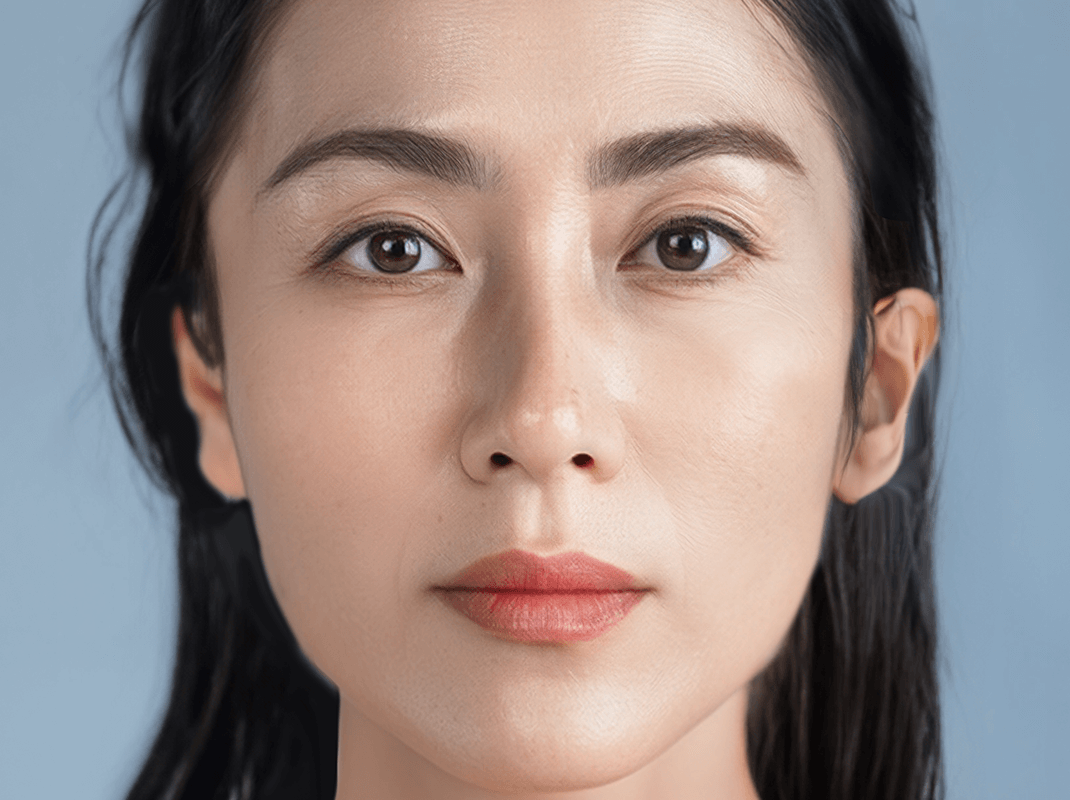
Fat cells are essential for maintaining skin structure, volume, and youthful contours, acting as a natural cushion that supports firmness and elasticity.
Overly aggressive aesthetic treatments can cause fat loss, leading to hollowness, sagging, and premature ageing, whereas our non-invasive approach helps preserve the fat layer while promoting collagen production and long-term skin resilience.
⬑ Signs of fat depletion after six aesthetic treatments in the course of twelve months
⬑ No signs of fat depletion after six treatments with Folke in the course of twelve months

Cumulative Collagen Farming

Collagen is naturally produced within the skin, while injections offer costly, short-term volume without strengthening its structure, and supplements provide even less direct benefits.
Folke’s customised botanical formulations, combined with non-invasive technology, stimulate fibroblast activity, enhance collagen synthesis, and create the ideal conditions for the skin to generate and accumulate collagen naturally over time, supporting firmness, elasticity, and long-term skin health.
Before the first Folke treatment: Uneven skin tone, dullness, enlarged pores, skin laxity, and deep dark eye circles.
After the first Folke treatment: Visible lifting of the facial skin and eye area, brighter and more even skin tone, smother skin texture, less visble dark eye circles.

Reduce the Onset of Static Wrinkles

Mainstream treatments like fillers and lasers focus on reducing existing fine lines rather than preventing their formation, often requiring frequent maintenance and risking skin thinning or sensitivity over time.
Folke’s plant-tech approach strengthens collagen and elastin fibres, helping the skin maintain firmness and flexibility, while customised formulations and non-invasive technology work to delay the onset of fine lines for smoother, long-lasting skin resilience.
⬑ Maintaining skin firmness, resilience, and flexibility begins as early as your mid-20s
⬑ Early, natural care helps sustain youthful skin quality, guiding our clients gracefully into their 50s, 60s, and beyond

Personalised and Sustainable Solutions

Every skin is unique, which is why Folke® tailors treatments using plant-based formulations and non-invasive technology to address individual skin conditions, history, and lifestyle.
By strengthening collagen reserves, balancing skin function, and supporting the skin’s natural processes, our approach promotes plumper, resilient skin without over-tightening, fat depletion, or volume loss. It offers practical ageing prevention, minimises upkeep, and preserves youthful contours without drugs, invasive procedures, or short-term fixes
⬑ Radiant, plump, and clear skin from within
⬑ Living confidently, beautifully, and with a higher quality of life

We're here to help you manage your skin concerns.

At Folke®, we address skin concerns at the root for lasting results. Our painless, non-invasive, customised plant-tech approach protects your skin and health, delivering visible, personalised improvements backed by over 20 years of expertise.
Disclaimer

At Folke®, we offer treatments and skincare products designed to support skin health, with results varying based on factors like skin type, conditions, lifestyle, and treatment adherence. Our information is based on in-clinic observations, client experiences, and published academic materials. While claims and comparisons to mainstream therapies reflect general research, reactions to treatments can vary. Not every patient will experience the same results, and some may tolerate treatments better than others. Folke®, its founder Charles Ng, staff, and representatives are not responsible for discrepancies or differing opinions. This content is for educational purposes and should not replace professional medical advice, diagnosis, or treatment. While Folke® is committed to high-quality treatments and products for skin concerns, individual outcomes may vary. The effectiveness of our treatments depends on various factors, and Folke® cannot guarantee specific results for every client. We encourage clients to consult with our professionals to set realistic expectations tailored to their needs. This information should not replace professional medical advice or treatment.

Academic References:
Al-Niaimi F et al., “Managing hyperpigmentation post-laser therapy.” Journal of Cosmetic and Laser Therapy 20, no. 3 (2018): 157-163.

Grimes PE et al., “Histologic changes in aging skin and its management.” Journal of the American Academy of Dermatology 55, no. 5 (2006): 768-775.

Hassim Z et al., “Hormonal influences on aging and hyperpigmentation: A comprehensive review.” International Journal of Women’s Dermatology 6, no. 2 (2020): 73-82.

Briganti S et al., “Melanin: What is it and how is it produced?” International Journal of Cosmetic Science 25, no. 6 (2003): 279-289.

Solano F, “Melanins: Skin pigments and much more—types, structural models, biological functions, and formation routes.” New Journal of Science 2014 (2014): 1-28.

Lim JT et al., “Sun protection and prevention of aging and hyperpigmentation.” Journal of the American Academy of Dermatology 82, no. 5 (2020): 1236-1245.

Goldberg DJ et al., “Pigment-safe laser treatments for aging skin.” Journal of Cosmetic and Laser Therapy 17, no. 6 (2015): 314-320.

Draelos ZD et al., “Efficacy of natural ingredients in anti-aging and skin lightening.” Journal of Drugs in Dermatology 18, no. 6 (2019): 586-591.

Alvarez OM et al., “Botanical extracts for skin lightening and anti-aging: Efficacy and safety.” Journal of Cosmetic Dermatology 17, no. 6 (2018): 1067-1074.

Nistico SP et al., “Efficacy of botanical formulations for managing aging and hyperpigmentation.” Journal of Dermatological Treatment 31, no. 4 (2020): 395-402.

Sivamani RK et al., “Natural alternatives for treating aging skin and inflammation.” Journal of Drugs in Dermatology 18, no. 8 (2019): 788-794.

Passeron T et al., “Melasma and aging: Pathogenesis and treatments.” Dermatologic Clinics 32, no. 3 (2014): 291-299.

Katsambas A et al., “Hyperpigmentation and aging treatment strategies.” Journal of the European Academy of Dermatology and Venereology 23, no. 7 (2009): 751-760.

Boonchai W et al., “Post-inflammatory hyperpigmentation and aging: Risk factors and prevention.” International Journal of Dermatology 55, no. 5 (2016): 487-495.

Rodriguez CI et al., “Role of oxidative stress in aging and hyperpigmentation: Mechanisms and treatments.” Journal of Clinical and Aesthetic Dermatology 12, no. 4 (2019): 28-35.

Aldahan AS et al., “Topical treatments for melasma, aging, and hyperpigmentation.” Journal of Clinical and Aesthetic Dermatology 11, no. 2 (2018): 19-23.

Kraft JN et al., “The role of inflammation in aging and hyperpigmentation management.” Journal of Clinical and Aesthetic Dermatology 11, no. 8 (2018): 16-23.

Del Rosario C et al., “Tyrosinase inhibitors: Strategies to control melanin production in aging and hyperpigmentation disorders.” International Journal of Molecular Sciences 22, no. 11 (2021): 6150.

Grimes PE et al., “Management of exogenous ochronosis caused by topical hydroquinone in aging skin.” Journal of Dermatology 47, no. 5 (2020): 431-437.

Sardana K et al., “Rebound pigmentation and its management in aging and hyperpigmentation disorders.” Indian Journal of Dermatology, Venereology, and Leprology 85, no. 3 (2019): 243-250.

Poon TS et al., “Age-related changes in hyperpigmentation and effective management strategies.” Journal of Clinical and Aesthetic Dermatology 14, no. 7 (2021): 32-40.

Handog EB et al., “Challenges in the management of hyperpigmentation and aging: Prevention and treatment.” Journal of Clinical and Aesthetic Dermatology 9, no. 1 (2016): 15-24.

Bikowski JB et al., “Prevention and management of post-inflammatory hyperpigmentation in aging skin.” Journal of Drugs in Dermatology 17, no. 9 (2018): 925-932.

Verallo-Rowell VM et al., “Safety and efficacy of botanical agents in managing aging and hyperpigmentation.” Dermatologic Therapy 33, no. 5 (2020): e13963.

Hassim Z et al., “Management of collagen depletion and fat layer loss in aging skin.” Journal of Dermatology 47, no. 5 (2020): 431-437.

Considerations with Mainstream Treatments

While Folke® Natural Skin Clinic does not offer mainstream treatments, our experience with clients who have undergone them has revealed varied skin responses.
Here, we explore some of these mainstream treatment approaches and the post-treatment concerns some clients have encountered before turning to Folke’s natural, non-invasive plant-tech approach to manage these skin concerns.

Cosmetic Procedures

More invasive options, such as lasers, fillers, and injectables, provide short-term relief but may result in potential outcomes, including increased sensitivity, irreversible changes, and prolonged recovery. Regular maintenance, typically every 3 to 6 months, is often necessary to maintain results, leading to increased long-term dependency and costs.

01 • Less Long-Term Results

Many cosmetic procedures often provide temporary effects, requiring regular reapplications to maintain results. Over time, this may lead to dependency, increased long-term costs, and in some cases, potential long-term changes to facial aesthetics.
⬑ Examples of altered facial aesthetics and volume depletion 12 months after injectable filler administration

02 Increased Sensitivity and Downtime
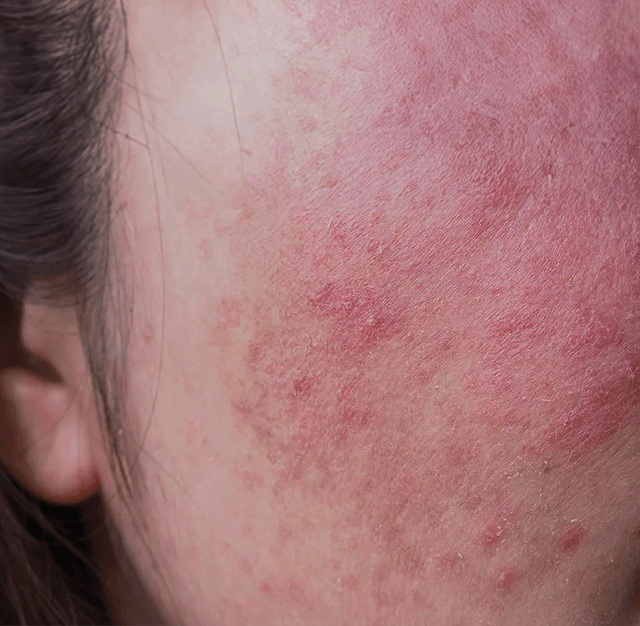
Laser treatments and injectables can heighten skin sensitivity, with lasers often requiring prolonged recovery and injectables can potentially cause swelling, bruising, or tenderness, especially in delicate facial areas.
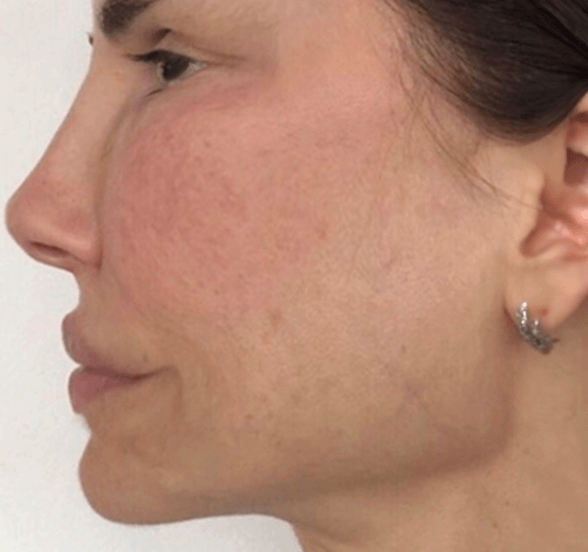
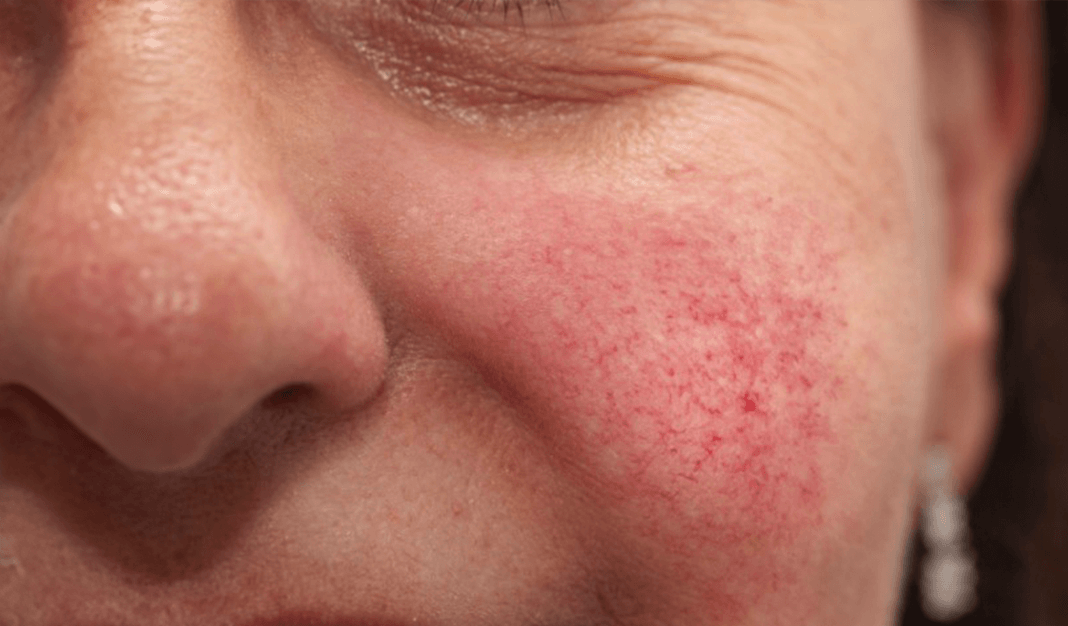
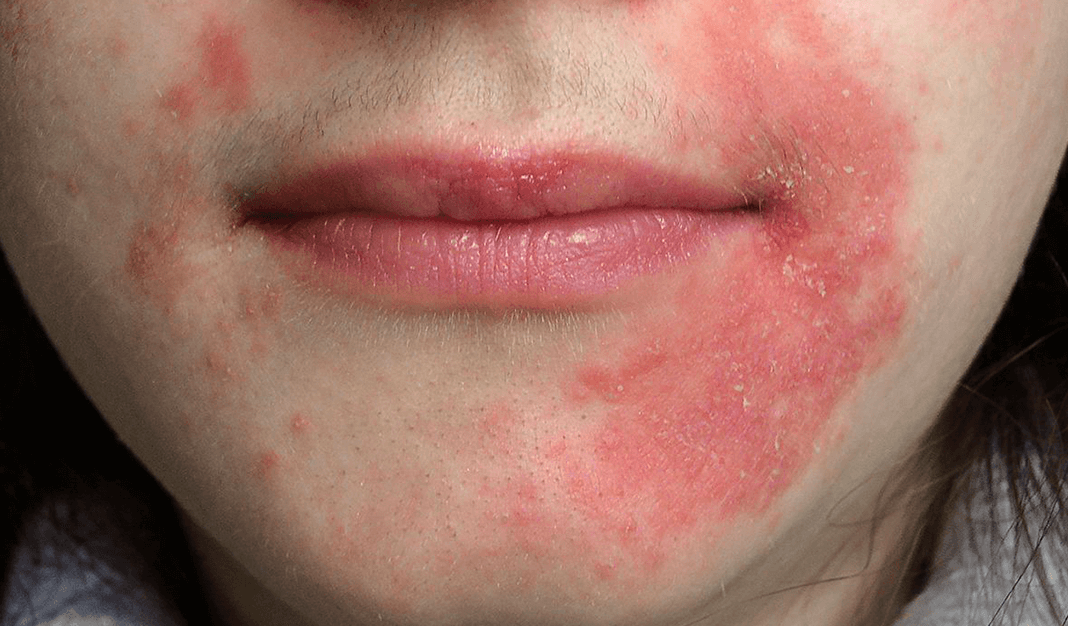
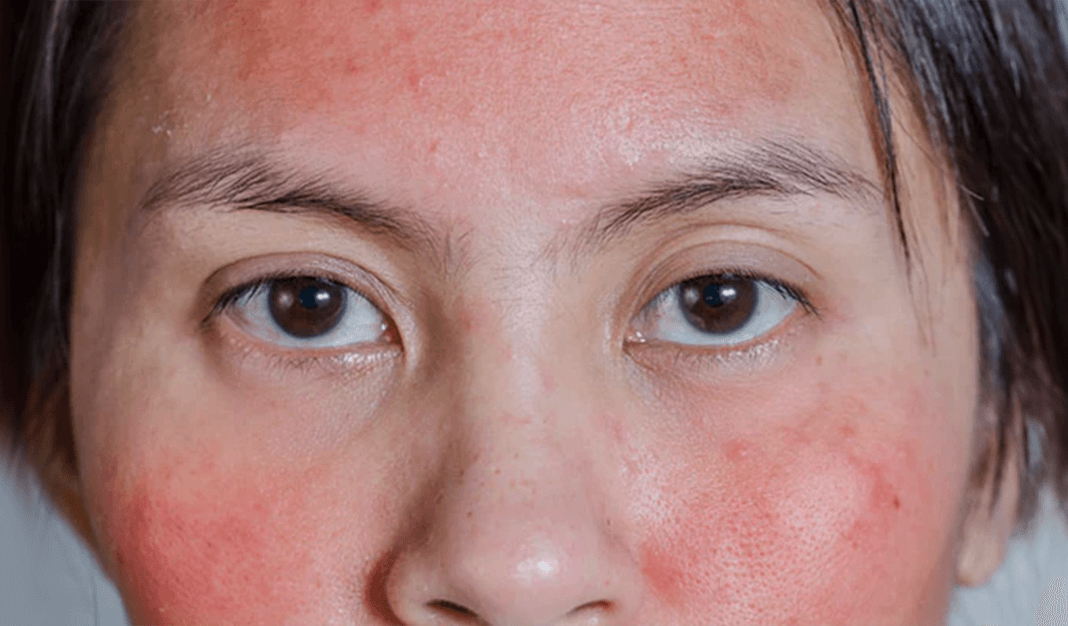
⬑ Redness and skin sensitivity
⬑ Post-laser redness and development of hyperpigmentation

03 Risk of Collagen and Fat Layer Depletion
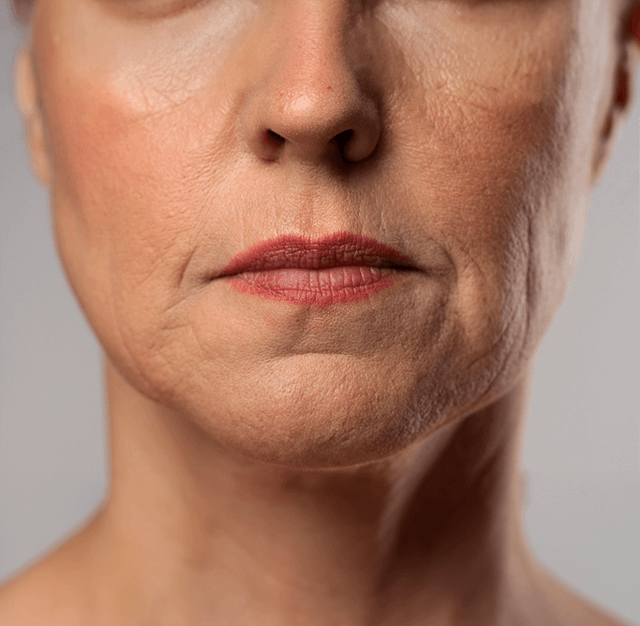
Repeated treatments, such as lasers and injectables may impact natural collagen and fat distribution due to tissue overstimulation or inflammatory responses, or gradual structural breakdown. As these layers are vital for skin volume and support, their loss may result in hollowing, sagging, and uneven facial contours over time.
⬑ Overall volume loss due to uneven fat depletion
⬑ Skin laxity resulting from prior over-tightening and fat depletion

04 Unnatural Appearance

Overuse of tightening or plumping treatments can lead to an artificial, rigid look. Over- or under-compensation, often due to variable aesthetic outcomes, may distort facial balance, affecting natural expressions and overall harmony.
⬑ Rigid, artificial outcome around the undereye, cheekbones, and cheeks
⬑ Disproportion and distortion from frequent skin tightening, excessive fillers, and volume-induced sagging

05 • Scarring and Prolonged Recovery in Surgical Options
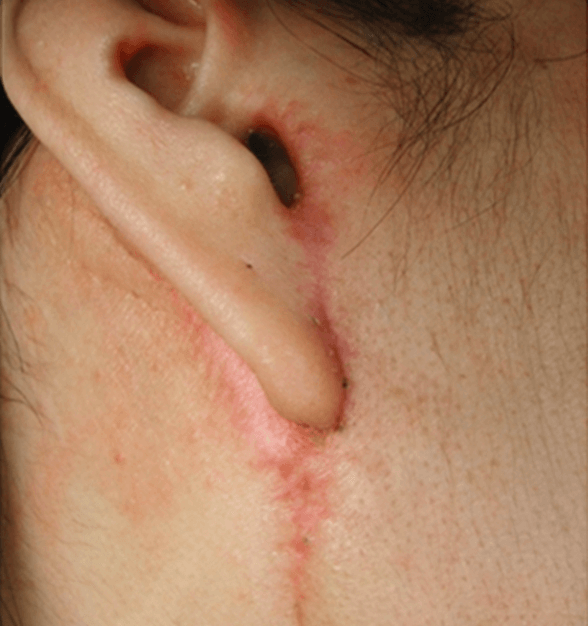
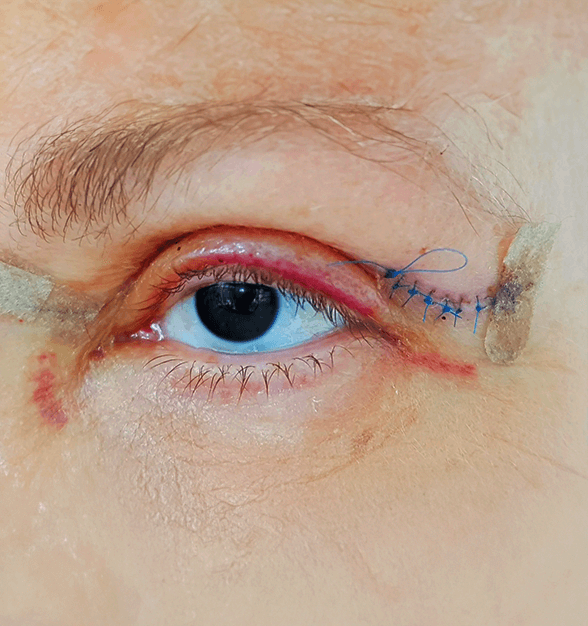
Surgical procedures, such as face and neck lifts, can result in visible scarring and prolonged recovery, particularly in delicate, thinner skin areas. Additionally, there is a risk of facial nerve damage, potentially causing asymmetry, disproportion, or muscle spasms.
⬑ Visible scarring and structural changes following surgical aesthetic procedures

Topical Treatments

Conventional anti-ageing topicals, such as retinoids, hydroquinone, and targeted serums, often deliver surface-level benefits without addressing deeper structural issues, leaving underlying skin concerns and long-term needs unmet.

01 Limited Penetration and Superficial Impact
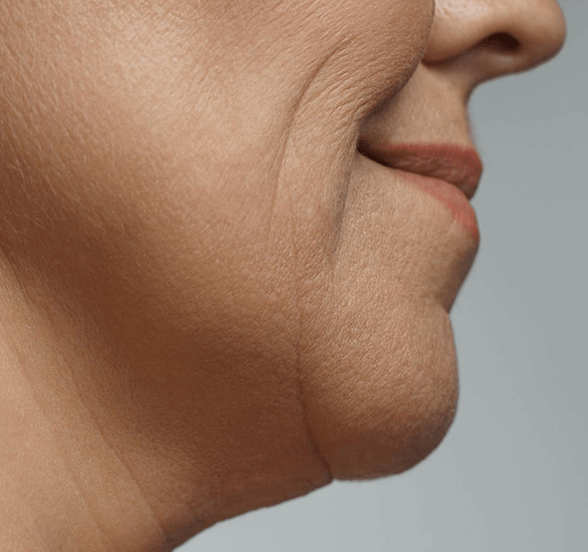
Most topical treatments primarily act on the skin’s surface due to factors like large molecular size and the skin barrier’s natural resistance, limiting their ability to reach deeper layers where structural changes like sagging and collagen loss occur.
⬑ Limited structural improvement with topical applications

02 Potential for Long-Term Irritation
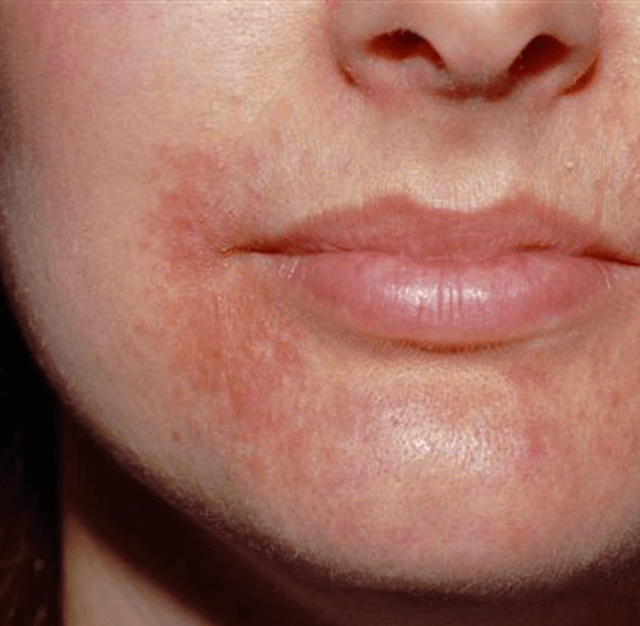
Prolonged use of potent active ingredients, such as retinoids, can cause chronic irritation, dryness, and heightened skin sensitivity, especially in individuals with delicate or reactive skin.
⬑ Dryness and ensitive skin flare-up
⬑ Increased redness, irritation, and compromised barrier function

03 • Heightened Photosensitivity
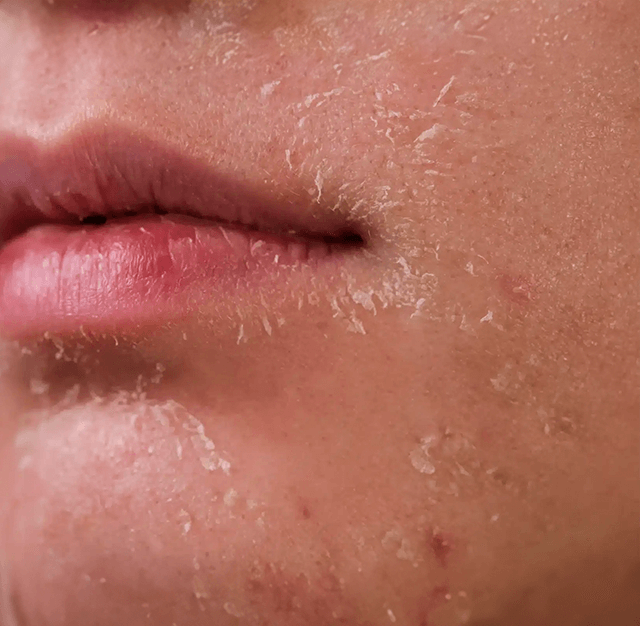
Active ingredients like retinoids and hydroquinone can increase photosensitivity, making the skin more vulnerable to sun damage. This necessitates restrictive sun exposure and strict, consistent sun protection measures.
⬑ Peeling from photosensitivity
⬑ Redness and papules triggered by photosensitivity

04 Minimal Effect on Structural Concerns
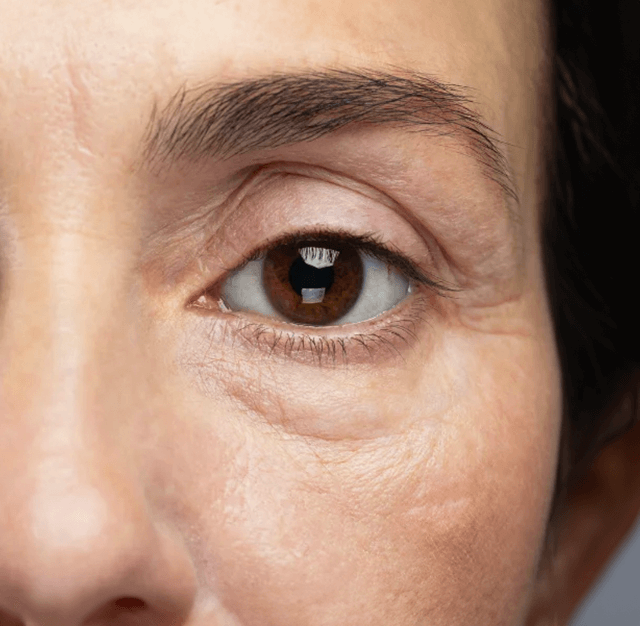
Topical treatments have limited efficacy on structural issues like under-eye bags or sagging, as these concerns originate from deeper layers that require more targeted, intensive solutions.
⬑ Minimal impact on wrinkles, skin laxity, and under-eye concerns
⬑ Limited structural improvement from topical creams on eye area ageing

We're here to help you manage your skin concerns.

At Folke®, we address skin concerns at the root for lasting results. Our painless, non-invasive, customised plant-tech approach protects your skin and health, delivering visible, personalised improvements backed by over 20 years of expertise.
Disclaimer
At Folke®, we offer treatments and skincare products designed to support skin health, with results varying based on factors like skin type, conditions, lifestyle, and treatment adherence. Our information is based on in-clinic observations, client experiences, and published academic materials. While claims and comparisons to mainstream therapies reflect general research, reactions to treatments can vary. Not every patient will experience the same results, and some may tolerate treatments better than others. Folke®, its founder Charles Ng, staff, and representatives are not responsible for discrepancies or differing opinions. This content is for educational purposes and should not replace professional medical advice, diagnosis, or treatment. While Folke® is committed to high-quality treatments and products for skin concerns, individual outcomes may vary. The effectiveness of our treatments depends on various factors, and Folke® cannot guarantee specific results for every client. We encourage clients to consult with our professionals to set realistic expectations tailored to their needs. This information should not replace professional medical advice or treatment.
Academic References:
Hasson A et al., “Long-term effects of injectable fillers: Complications and management.” Journal of Clinical and Aesthetic Dermatology 13, no. 6 (2020): 18-25.

Sadick NS et al., “Volume loss and filler fatigue: Understanding the longevity of injectable fillers.” Dermatologic Surgery 43, no. 6 (2017): 848-855.

Goldberg DJ et al., “Pigment-safe laser treatments for aging skin.” Journal of Cosmetic and Laser Therapy 17, no. 6 (2015): 314-320.

Chung JH et al., “Long-term outcomes of CO2 laser treatment for pigmentation.” Journal of Dermatological Treatment 29, no. 4 (2018): 365-370.

Dika E et al., “Laser treatment for benign melanocytic nevi: A review.” Lasers in Medical Science 33, no. 4 (2018): 853-861.

Narins RS et al., “Safety of hyaluronic acid fillers: A comprehensive review.” Dermatologic Surgery 37, no. 10 (2011): 1697-1705.

Matarasso SL et al., “Complications of soft tissue augmentation: Prevention and management.” Journal of the American Academy of Dermatology 66, no. 1 (2012): 11-22.

Al-Niaimi F et al., “Managing hyperpigmentation post-laser therapy.” Journal of Cosmetic and Laser Therapy 20, no. 3 (2018): 157-163.

Fabi SG et al., “Collagen stimulation and neoformation: A review of the science behind dermal fillers.” Journal of Drugs in Dermatology 13, no. 9 (2014): 1044-1052.

Grimes PE et al., “Histologic changes in aging skin and its management.” Journal of the American Academy of Dermatology 55, no. 5 (2006): 768-775.

Boonchai W et al., “Post-inflammatory hyperpigmentation: Risk factors and prevention.” International Journal of Dermatology 55, no. 5 (2016): 487-495.

Lim JT et al., “Sun protection and prevention of aging and hyperpigmentation.” Journal of the American Academy of Dermatology 82, no. 5 (2020): 1236-1245.

Bolognia JL et al., “Complications of lasers and light-based devices in dermatology.” Dermatologic Therapy 26, no. 5 (2013): 332-343.

Rodriguez CI et al., “Role of oxidative stress in aging and hyperpigmentation: Mechanisms and treatments.” Journal of Clinical and Aesthetic Dermatology 12, no. 4 (2019): 28-35.

Del Rosario C et al., “Tyrosinase inhibitors: Strategies to control melanin production in aging and hyperpigmentation disorders.” International Journal of Molecular Sciences 22, no. 11 (2021): 6150.

Baumann L et al., “Chemical peels: An evidence-based review.” American Journal of Clinical Dermatology 10, no. 6 (2009): 297-306.

Aldahan AS et al., “Topical treatments for melasma, aging, and hyperpigmentation.” Journal of Clinical and Aesthetic Dermatology 11, no. 2 (2018): 19-23.

Kraft JN et al., “The role of inflammation in aging and hyperpigmentation management.” Journal of Clinical and Aesthetic Dermatology 11, no. 8 (2018): 16-23.

Grimes PE et al., “Management of exogenous ochronosis caused by topical hydroquinone in aging skin.” Journal of Dermatology 47, no. 5 (2020): 431-437.

Sardana K et al., “Rebound pigmentation and its management in aging and hyperpigmentation disorders.” Indian Journal of Dermatology, Venereology, and Leprology 85, no. 3 (2019): 243-250.

Handog EB et al., “Challenges in the management of hyperpigmentation and aging: Prevention and treatment.” Journal of Clinical and Aesthetic Dermatology 9, no. 1 (2016): 15-24.

Bikowski JB et al., “Prevention and management of post-inflammatory hyperpigmentation in aging skin.” Journal of Drugs in Dermatology 17, no. 9 (2018): 925-932.

Verallo-Rowell VM et al., “Safety and efficacy of botanical agents in managing aging and hyperpigmentation.” Dermatologic Therapy 33, no. 5 (2020): e13963.

Hassim Z et al., “Management of collagen depletion and fat layer loss in aging skin.” Journal of Dermatology 47, no. 5 (2020): 431-437.

Narins RS et al., “Long-term complications of injectable soft tissue fillers: A review.” Dermatologic Surgery 34, no. 12 (2008): 1574-1579.

Scroll to Top