Milia, Moles & Warts

Specialisation

Milia, Moles & Warts

Smooth skin begins with understanding milia, moles, and warts and choosing the right care.

Understanding Milia, Moles & Warts
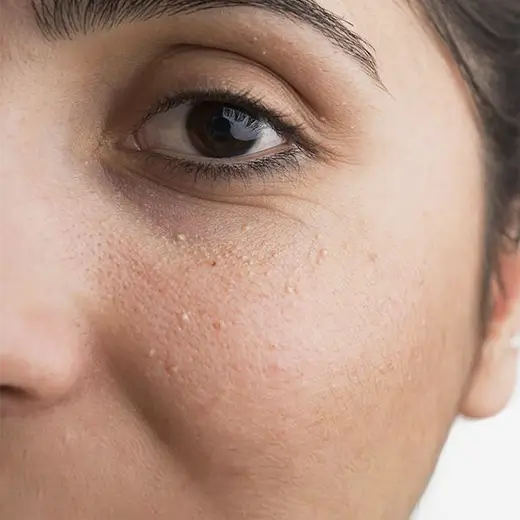
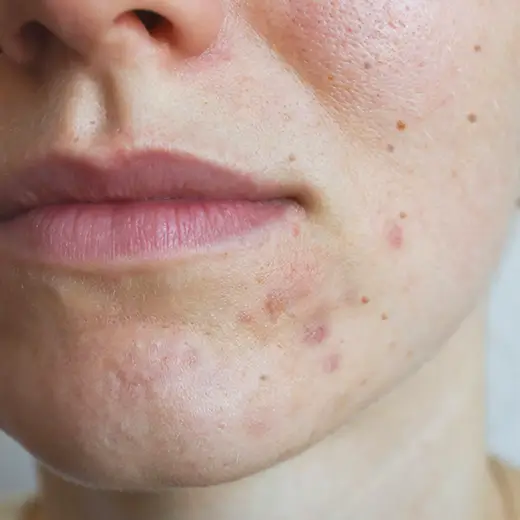
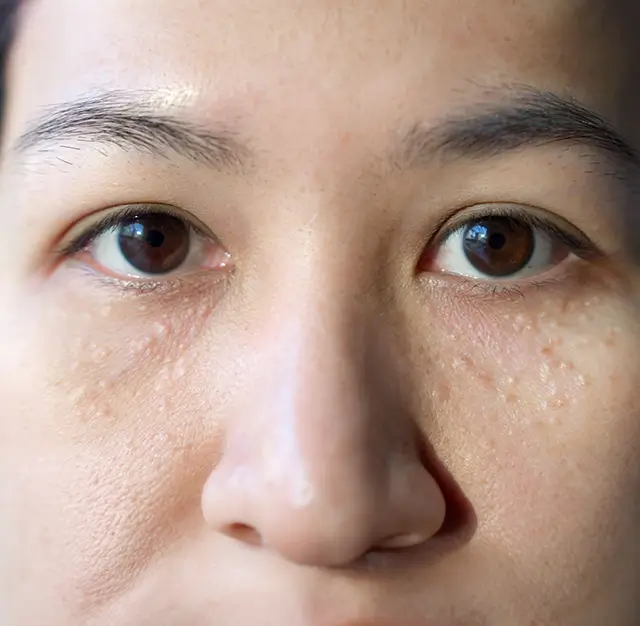
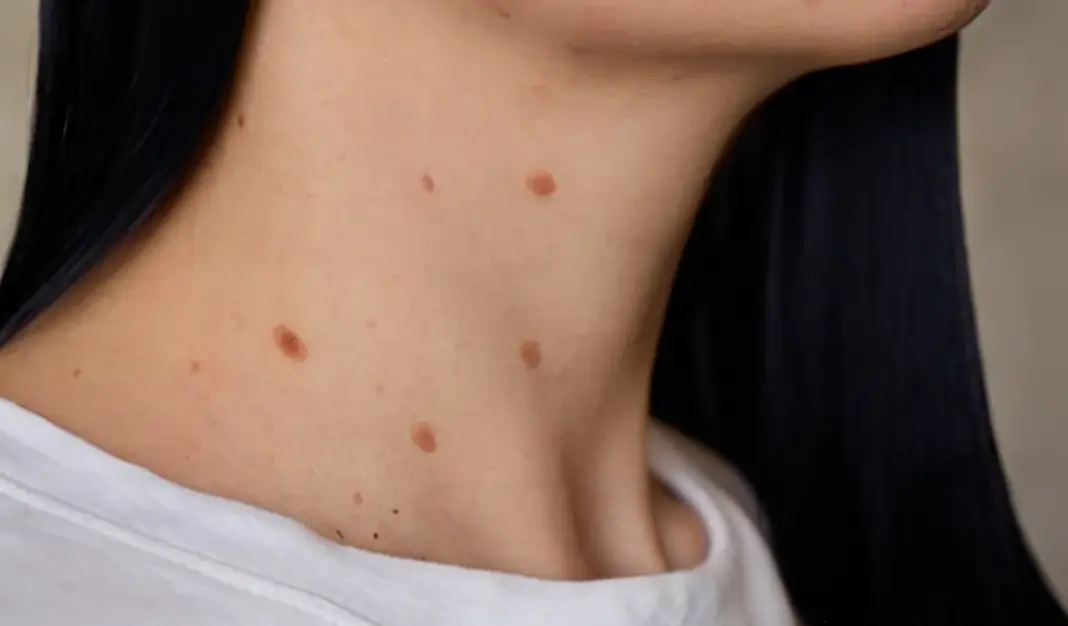
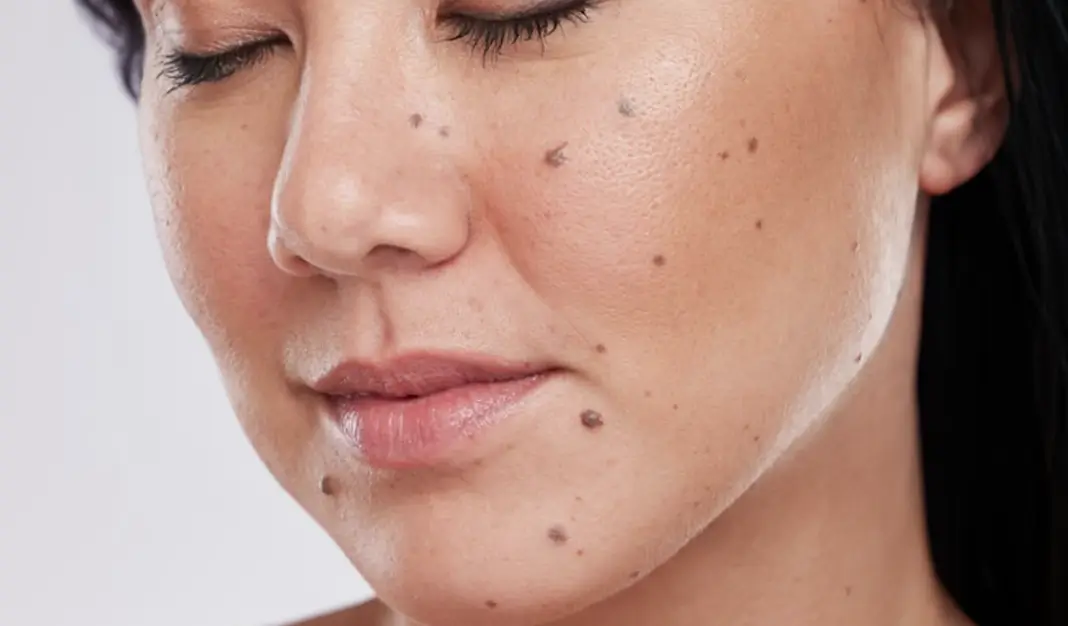
Milia, moles, and warts are distinct skin concerns with different causes. Milia are tiny, white or yellowish cysts caused by trapped keratin, often found around the eyes and cheeks. Moles are clusters of pigmented cells that vary in size and colour, usually harmless but should be monitored for changes. Warts, caused by the human papillomavirus (HPV), are rough, raised bumps that can spread through contact. Factors like sun exposure, immune response, and skincare habits can influence their appearance.
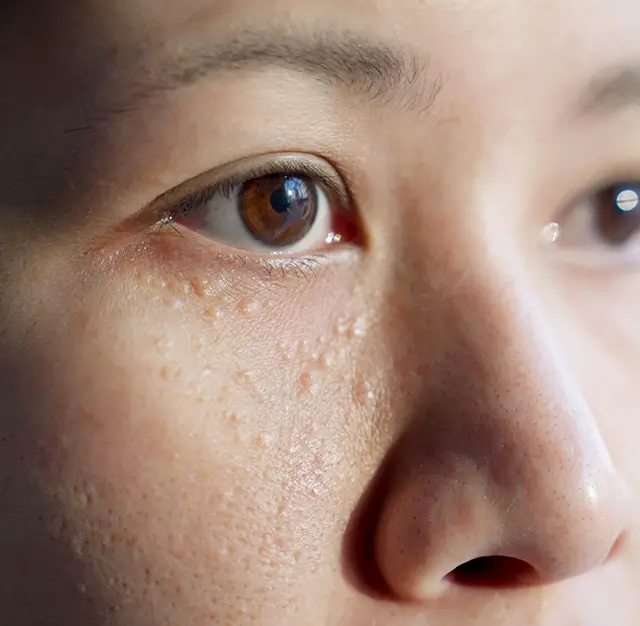
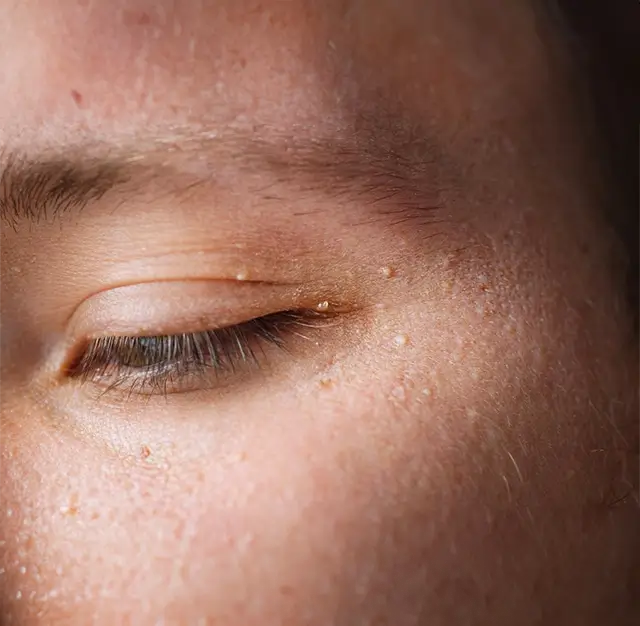
⬑ Tiny white milia around the eyes and cheeks
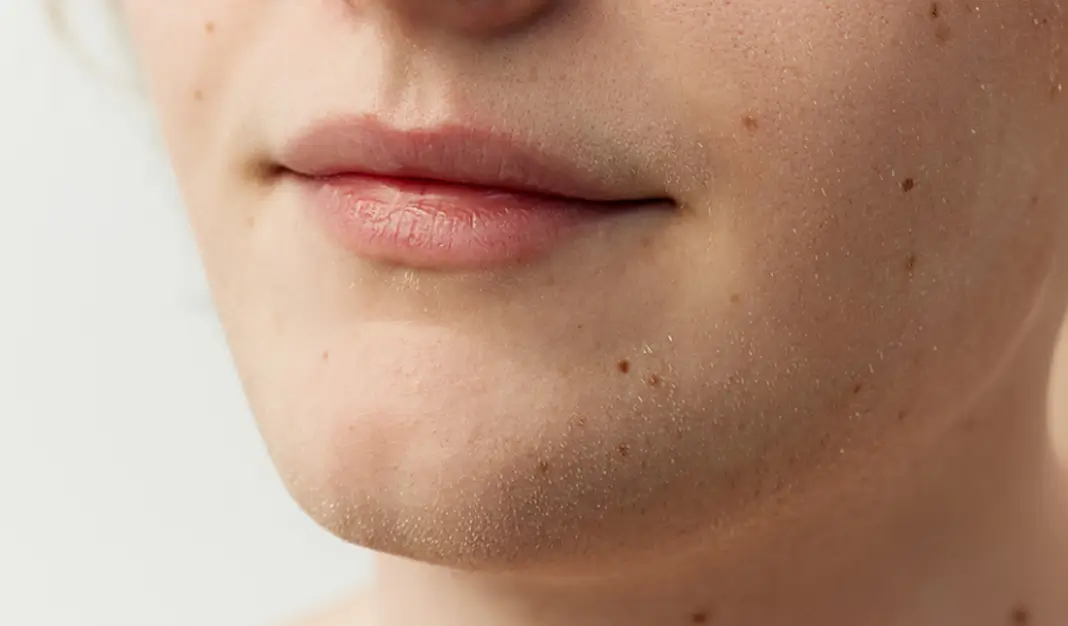
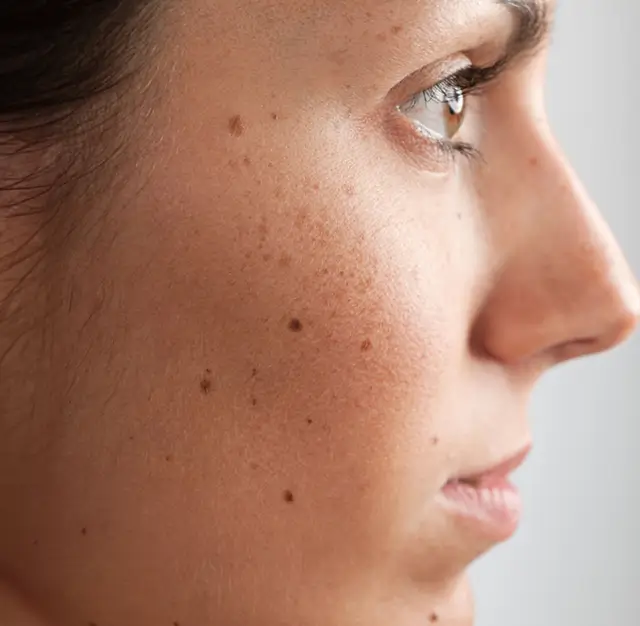
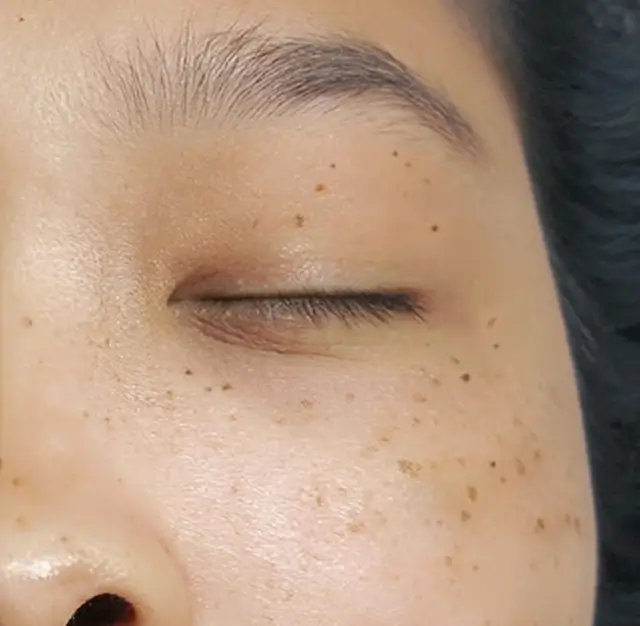
⬑ Pigmented moles of varied sizes on the face
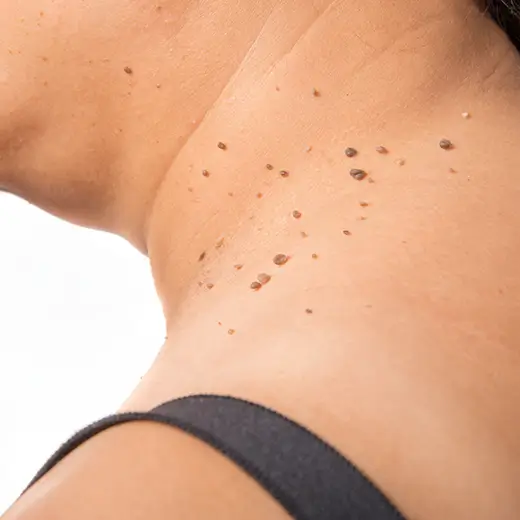
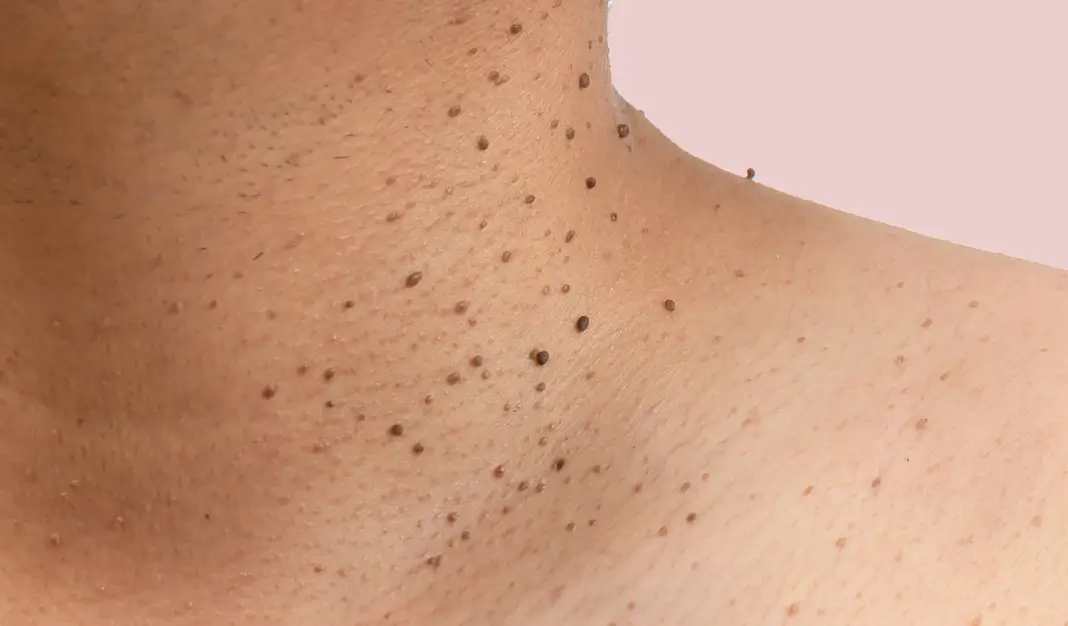
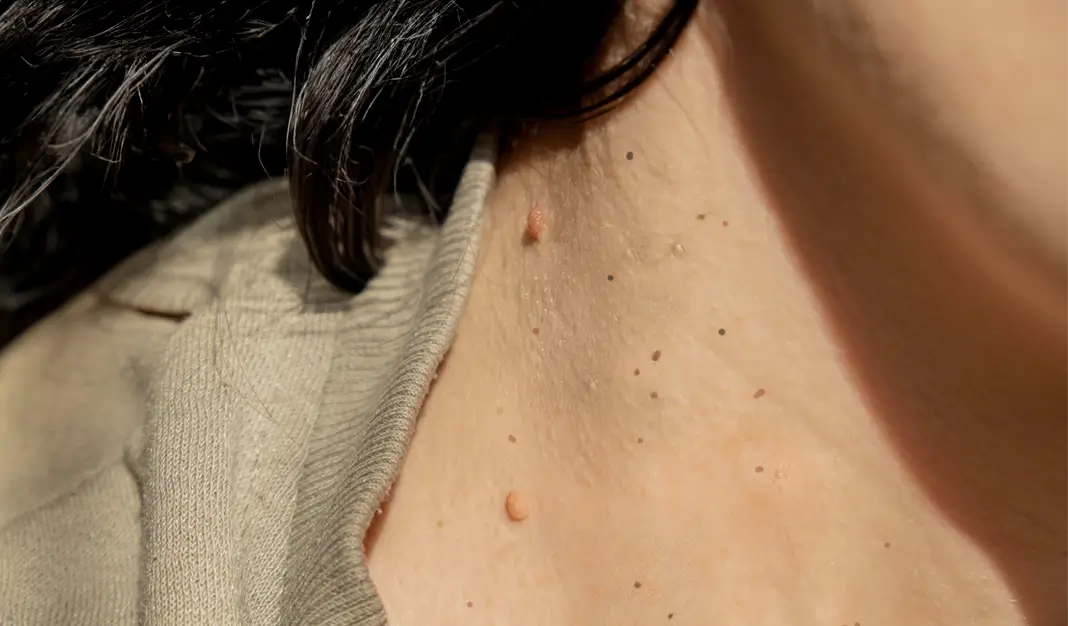
⬑ Rough, raised warts common on the neck, or chest
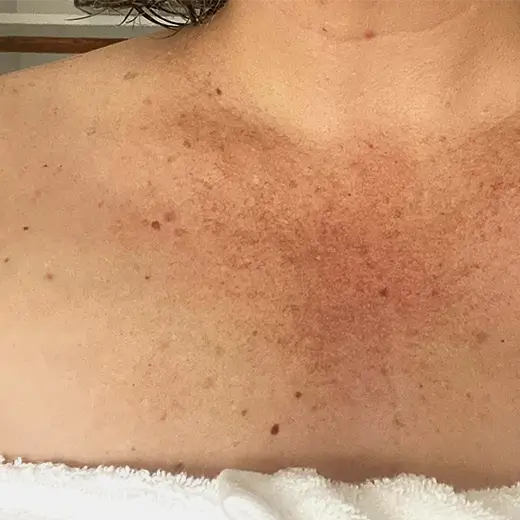
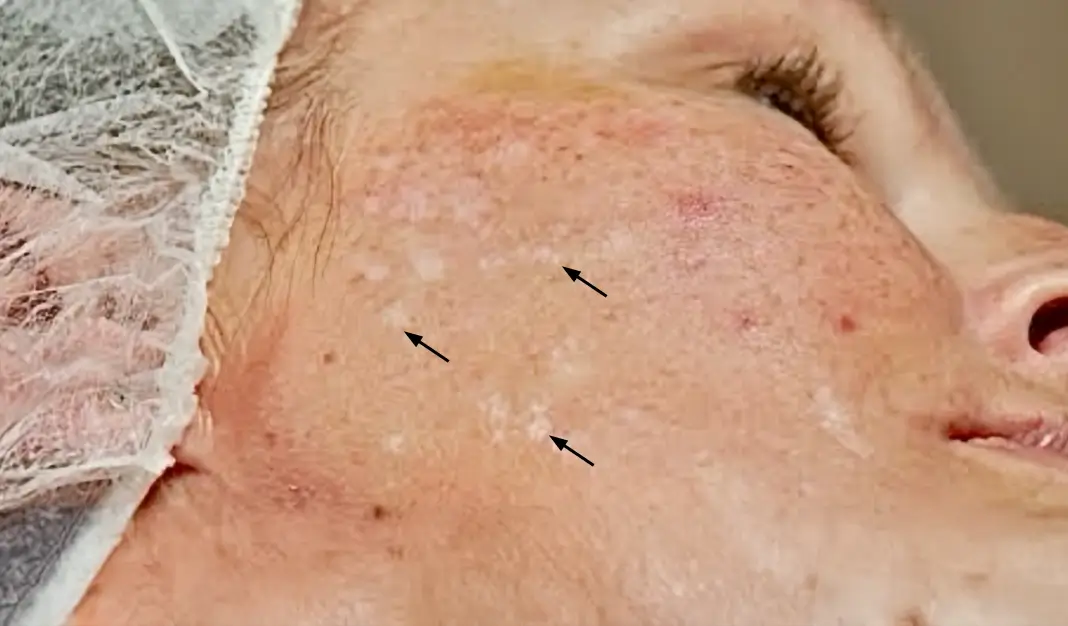
⬑ Clusters of milia and moles on sun-exposed areas of the chest
Conditions Across Life Stages
Adolescent Milia & Moles
During adolescence, hormonal changes and cell turnover and sun exposure can contribute to the formation of milia—tiny, white cysts commonly found around the eyes, nose, and cheeks. Moles may also develop or darken during puberty due to hormonal shifts and increased sun exposure.
While milia are harmless, proper cleansing and non-comedogenic skincare can help prevent their occurrence. Moles should be monitored for changes in size, shape, or colour.
⬑ Small, white milia around the eyes and nose
⬑ Newly developed moles on the face or neck
Adult-Onset Milia, Moles & Warts
In adulthood, factors like sun damage, skincare habits, and hormonal fluctuations can cause milia to form or persist, particularly around the eyes and cheeks.
Moles may become more pronounced or develop new pigmentation, while warts, caused by the human papillomavirus (HPV), can appear on the face, neck, or chest. Regular sunscreen use, exfoliation, and professional monitoring help manage these concerns effectively.
⬑ Milia around the eyes due to sun damage
⬑ Pigmented moles and rough warts on the neck
Mature Skin Moles & Warts
As the skin ages, a slower cell turnover and prolonged sun exposure can lead to an increase in moles and seborrheic warts (non-viral and often genetic) are often mistaken for moles but have a rougher texture.
Mature skin is also more prone to sensitivity, making gentle and preventive care essential. Regular check-ups to monitor moles and non-invasive treatments for warts can help maintain a clear and even complexion.
⬑ Darker moles on sun-exposed areas of the face, or chest
⬑ Rough-textured warts on mature skin around the neck
Pregnancy-Related Moles & Skin Changes
Hormonal changes during pregnancy can cause moles to darken, grow, or become more noticeable, especially on the face, neck, and chest. While most changes are harmless, moles with irregular edges, sudden growth, or colour changes should be professionally assessed to rule out risks. Skin tags and temporary dark spots (melasma) are also common due to hormonal fluctuations. Using pregnancy-safe skincare, consistent sun protection, and monitoring moles help maintain healthy skin during this stage.
⬑ Darkened moles on the face and chest during pregnancy
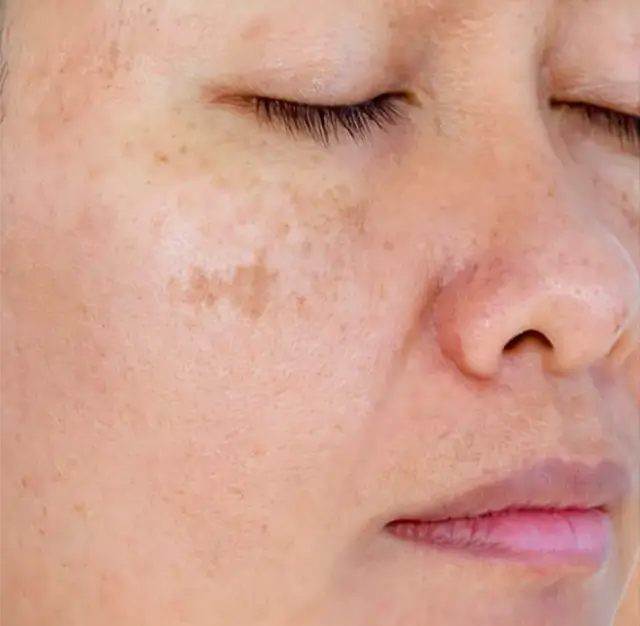
⬑ Hormonal changes causing temporary dark spots or skin tags
Common Conditions
Milia: Trapped Keratin Cysts
Milia are small, white or yellowish cysts that form when keratin, a structural protein found in skin cells, becomes trapped beneath the skin’s surface. They commonly appear around the eyes, cheeks, and forehead and can affect all age groups.
Unlike acne, milia do not involve inflammation or infection. They are often linked to skin trauma, heavy skincare products, or sun damage. Effective treatments include gentle exfoliation, retinoids, or professional extraction, as milia do not clear spontaneously. Sunscreen and non-comedogenic products can help prevent their formation.
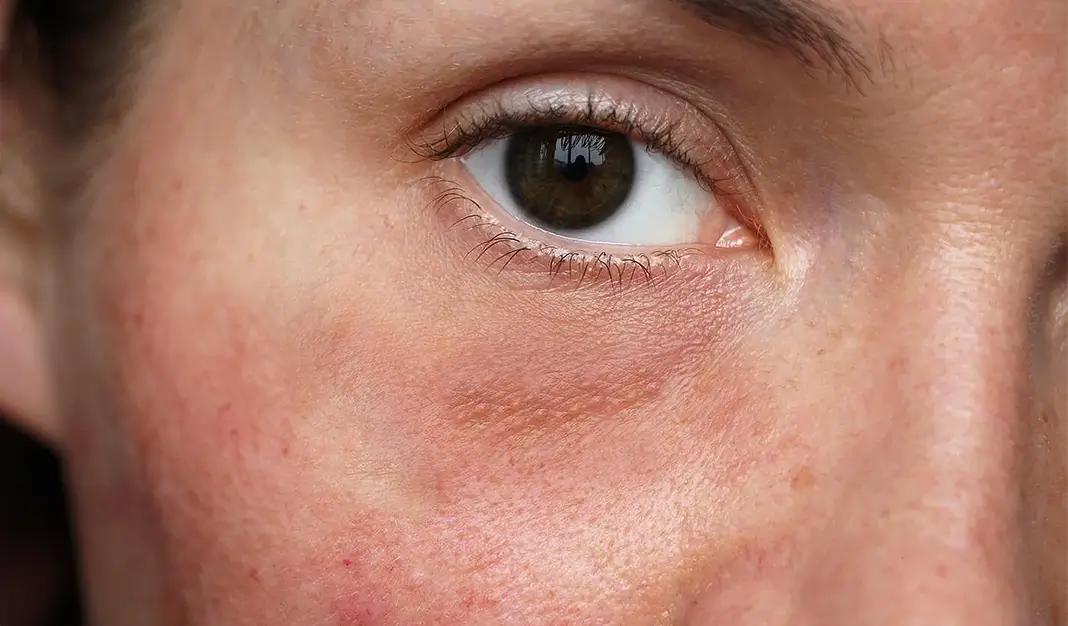
⬑ Tiny, white milia around the eyes and cheeks
⬑ Close-up of keratin-filled cysts on the forehead
Moles: Pigmented Cell Clusters
Moles (or nevi) are clusters of melanocytes—cells that produce melanin, the pigment responsible for skin colour. They can be congenital (present at birth) or acquired due to sun exposure and genetic factors.
Most moles are harmless, but changes in size, shape, or colour can be warning signs of melanoma, a type of skin cancer. The ABCDE guideline (Asymmetry, Border, Colour, Diameter, Evolving) helps identify suspicious moles. Regular monitoring and sun protection are key to managing moles safely.
⬑ Pigmented moles with even borders on the face and neck
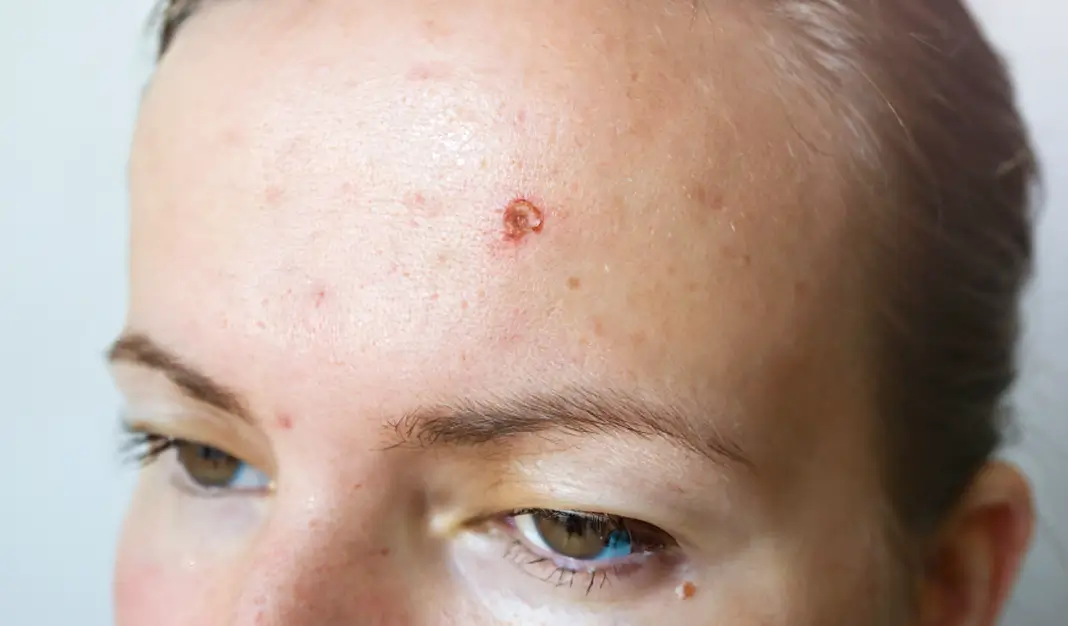
⬑ Asymmetrical mole requiring professional assessment
Warts: Viral Skin Growths
Warts are rough, raised growths caused by the human papillomavirus (HPV), which infects the top layer of skin through small cuts or abrasions. They commonly appear on the face, neck, or chest and can spread through direct contact or contaminated surfaces.
There are various types, including common warts, flat warts, and filiform warts, each with distinct appearances. Treatments include cryotherapy, salicylic acid, or laser therapy to destroy infected tissue. A strong immune response and proper hygiene help prevent the spread of warts.
⬑ Rough, raised wart on the neck
⬑ Flat warts on the face caused by HPV infection
Seborrheic Keratosis: Age-Related Growths
Seborrheic keratosis is a common, non-cancerous skin growth that often appears as a waxy, scaly, or slightly elevated lesion on the face, neck, or chest. It is caused by age-related changes in skin cells and is not linked to HPV.
These growths range in colour from light tan to dark brown and can resemble warts or moles. Although harmless, they can be removed for cosmetic reasons using cryotherapy, curettage, or laser treatments. Consistent use of sunscreen may help reduce their development.
⬑ Waxy, scaly seborrheic keratosis on the chest
⬑ Dark brown seborrheic keratosis resembling a mole

We're here to help you manage your skin concerns.

At Folke®, we address skin concerns at the root for lasting results. Our painless, non-invasive, customised plant-tech approach protects your skin and health, delivering visible, personalised improvements backed by over 20 years of expertise.
Disclaimer
At Folke®, we offer treatments and skincare products designed to support skin health, with results varying based on factors like skin type, conditions, lifestyle, and treatment adherence. Our information is based on in-clinic observations, client experiences, and published academic materials. While claims and comparisons to mainstream therapies reflect general research, reactions to treatments can vary. Not every patient will experience the same results, and some may tolerate treatments better than others. Folke®, its founder Charles Ng, staff, and representatives are not responsible for discrepancies or differing opinions. This content is for educational purposes and should not replace professional medical advice, diagnosis, or treatment. While Folke® is committed to high-quality treatments and products for skin concerns, individual outcomes may vary. The effectiveness of our treatments depends on various factors, and Folke® cannot guarantee specific results for every client. We encourage clients to consult with our professionals to set realistic expectations tailored to their needs. This information should not replace professional medical advice or treatment.
Academic References:

Berk, D. R., & Bayliss, S. J. “Milia: A review and classification.” Journal of the American Academy of Dermatology 59, no. 6 (2008): 1050-1063.

Patton, T., & Smith, J. “Milia: A dermoscopic pitfall.” Journal of the American Academy of Dermatology 75, no. 3 (2016): e113-e114.

Davis, D. S., & Taylor, M. B. “Successful treatment of milia in skin of color (FST IV-VI) with variable short-pulse Er:YAG laser vaporization.” Dermatologic Surgery 46, no. 12 (2020): 1750-1751.

Hubler, W. R., & Rudolph, A. H. “Milia: A clinicopathologic study.” Archives of Dermatology 114, no. 10 (1978): 1515-1517.

Tsuji, T., & Sawabe, M. “Milia arising from eccrine ducts.” Archives of Dermatology 118, no. 8 (1982): 592-594.

Epstein, W. L., & Kligman, A. M. “Milia: A review and classification.” Journal of Investigative Dermatology 32, no. 5 (1959): 415-432.

Cohen, P. R., & Grossman, M. E. “Milia en plaque: Case reports and review of the literature.” Journal of the American Academy of Dermatology 29, no. 1 (1993): 49-56.

Patel, G. A., & Schwartz, R. A. “Milia en plaque: A review.” Journal of the European Academy of Dermatology and Venereology 23, no. 4 (2009): 391-395.

Kanitakis, J. “Seborrheic keratosis with numerous milia.” International Journal of Dermatology 35, no. 6 (1996): 458-459.

Lallas, A., & Argenziano, G. “Dermoscopy of seborrheic keratosis: A comprehensive review.” Dermatology Practical & Conceptual 4, no. 3 (2014): 11-15.

Lynch, H. T., & Fusaro, R. M. “Seborrheic keratosis: An update.” Journal of the American Academy of Dermatology 5, no. 3 (1981): 417-423.

Sterling, J. C., & Handfield-Jones, S. “Guidelines for the management of cutaneous warts.” British Journal of Dermatology 144, no. 1 (2001): 4-11.

Kwok, C. S., & Gibbs, S. “Topical treatments for cutaneous warts.” Cochrane Database of Systematic Reviews 3 (2012): CD001781.

Bruggink, S. C., & Gussekloo, J. “Cryotherapy with liquid nitrogen versus topical salicylic acid application for cutaneous warts in primary care: Randomised controlled trial.” BMJ 347 (2013): f4081.

Lipke, M. M. “An armamentarium of wart treatments.” Clinical Medicine & Research 4, no. 4 (2006): 273-293.

Gibbs, S., & Harvey, I. “Local treatments for cutaneous warts: Systematic review.” BMJ 325, no. 7362 (2002): 461.

Sterling, J. C., & Handfield-Jones, S. “British Association of Dermatologists’ guidelines for the management of cutaneous warts 2014.” British Journal of Dermatology 171, no. 4 (2014): 696-712.

Loo, S. K., & Tang, W. Y. “Warts (nongenital).” BMJ Clinical Evidence (2014): 1710.

Silling, S., & Szeimies, R. M. “Laser treatment of viral warts: A review.” Dermatologic Surgery 28, no. 8 (2002): 694-697.

Connolly, M., & Bazmi, K. “Cryotherapy of viral warts: A sustained 10-year experience.” Dermatologic Surgery 27, no. 5 (2001): 509-512.

Gibbs, S., & Harvey, I. “Local treatments for cutaneous warts: Systematic review.” Health Technology Assessment 7, no. 29 (2003): 1-144.

Steele, K., & Irwin, M. S. “Milia en plaque of the nose: Report of a case and successful treatment with topical tretinoin.” Pediatrics 133, no. 5 (2014): e1373-e1376.

Berk, D. R., & Bayliss, S. J. “Milia: A review and classification.” Research Profiles at Washington University School of Medicine (2008).

Diba, V. C., & Green, T. “A case of eruptive milia.” Clinical and Experimental Dermatology 30, no. 6 (2005): 677-678.

Smooth, Clear, and Confident Skin

Folke® Natural Skin Clinic takes a plant-tech approach to manage milia, moles, and warts safely and effectively. By addressing underlying causes such as trapped keratin, viral infections, and cellular changes, our personalised solutions offer clear and lasting results without invasive procedures.
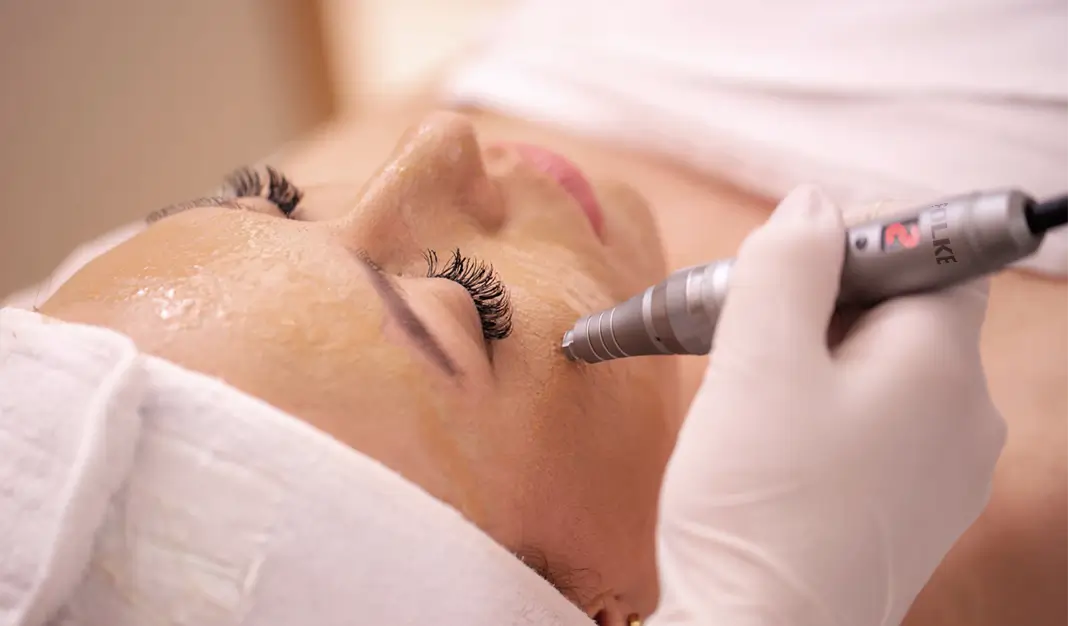
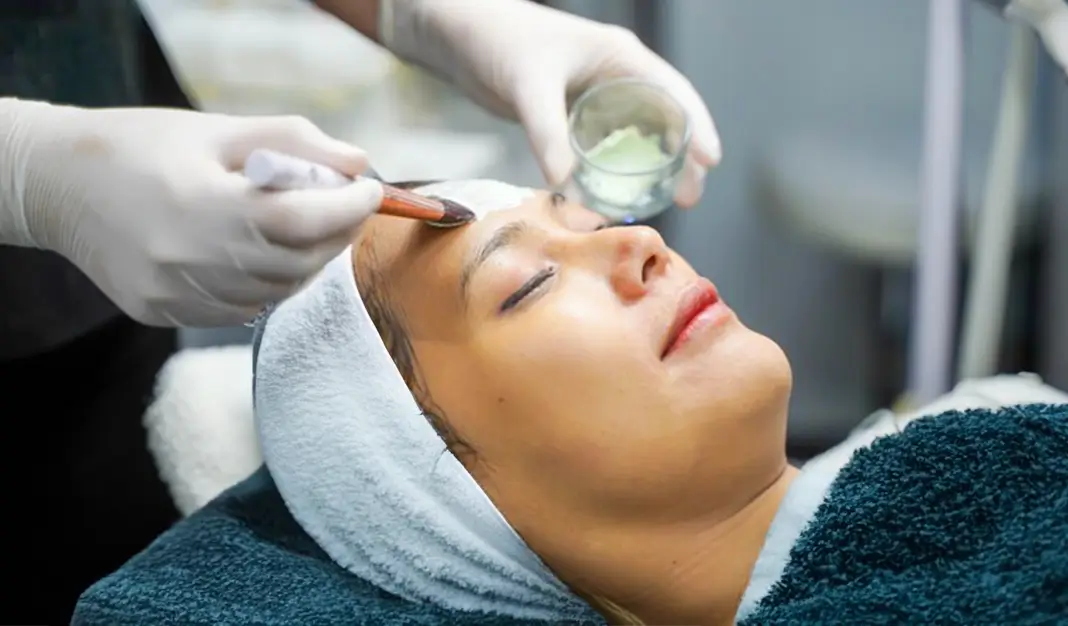
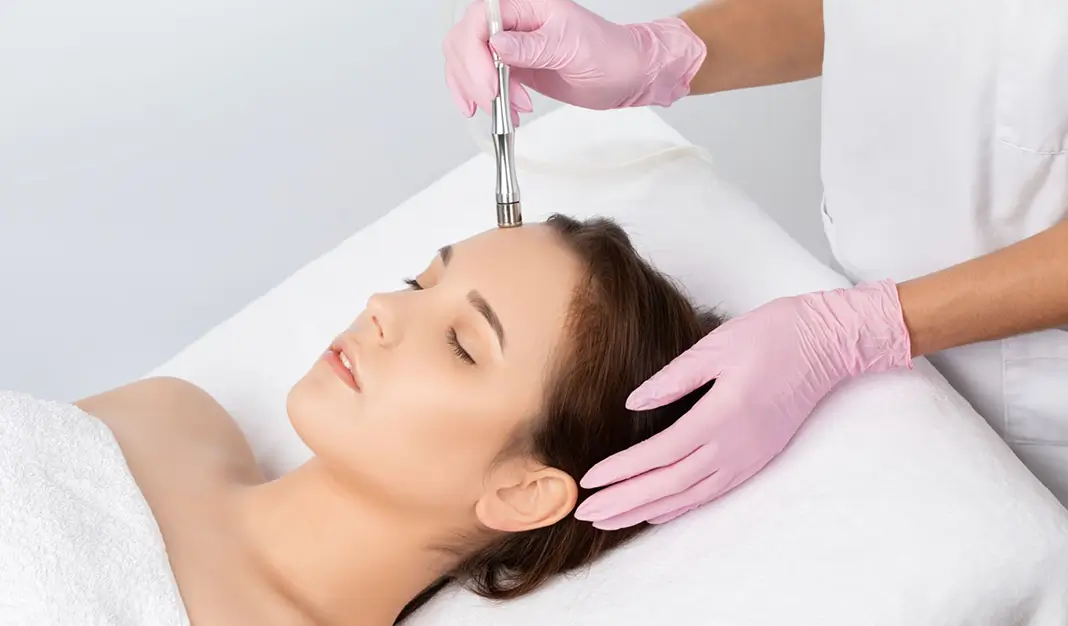
Like fingerprints, every client is unique. Folke’s plant-tech approach combines botanical formulations and non-invasive technologies, tailoring solutions unique to your skin condition, history, and lifestyle for targeted, effective care — without drugs, medication, or harsh procedures.
⬑ Customised botanical formulations for targeted care
⬑ Thoughtful removal of milia, moles, and warts without harsh treatments

Milia Management Without Harsh Exfoliants

Milia, small white or yellowish cysts caused by trapped keratin, often appear around the eyes and cheeks. Conventional treatments like strong retinoids and chemical peels can cause irritation, peeling, and sensitivity. At Folke®, we use gentle plant-tech formulations to soften and dissolve keratin build-up without compromising the skin barrier.
Our approach supports natural exfoliation and prevents recurrence by addressing potential causes like sun damage, clogged pores, and product misuse. This promotes smoother, healthier skin without the risks of redness, peeling, or post-inflammatory hyperpigmentation.
⬑ Milia around the eye area
⬑ Controlled removal without redness or peeling

Mole Management with Plant-Tech Care

While laser treatments can mask melanoma risks by removing pigmented cells without biopsy, our approach prioritises safety. Folke® offers non-invasive plant-based solutions that help manage benign moles without lasers or surgical excisions, reducing risks of scarring, inflammation, and hyperpigmentation.
Our formulations support healthy cell turnover and minimise pigment irregularities while maintaining skin integrity. For suspicious moles, we recommend professional evaluation to ensure safety and effective care. Sun protection is emphasised to prevent pigmentation changes in treated areas.
⬑ Benign moles managed with plant-based care
⬑ Non-invasive solutions without scars or inflammation

Managing Warts with a Naturopathic Approach
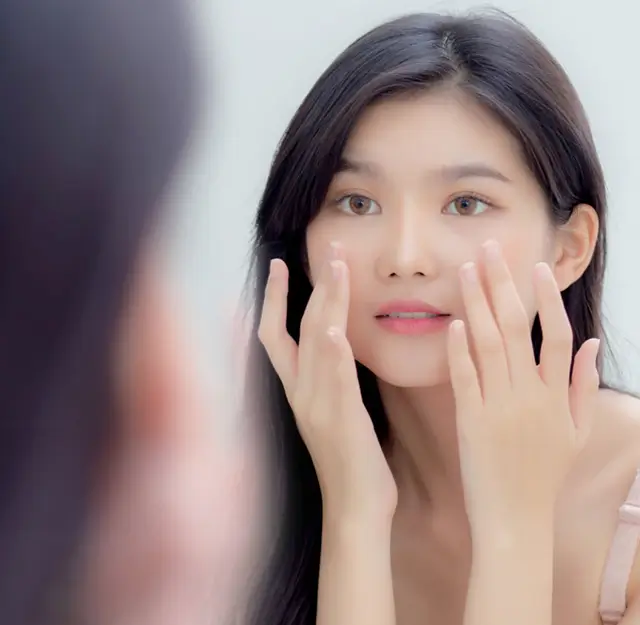
Warts, caused by the human papillomavirus (HPV), are commonly treated with cryotherapy or salicylic acid, which can cause pain, blistering, and hypopigmentation, especially on sensitive areas like the face or neck. Folke®’s approach combines botanical formulations to support the immune system, inhibit viral activity, and promote natural shedding of infected cells.
Our plant-tech solutions minimise the risks of pain, scarring, and recurrence by addressing both the visible wart and the underlying viral cause. This approach encourages smoother skin and long-term relief without the risks of hypopigmentation or post-treatment scarring.
⬑ Facial warts treated with plant-based care
⬑ Long-term relief by managing the underlying viral cause

Scarring and Hyperpigmentation Prevention
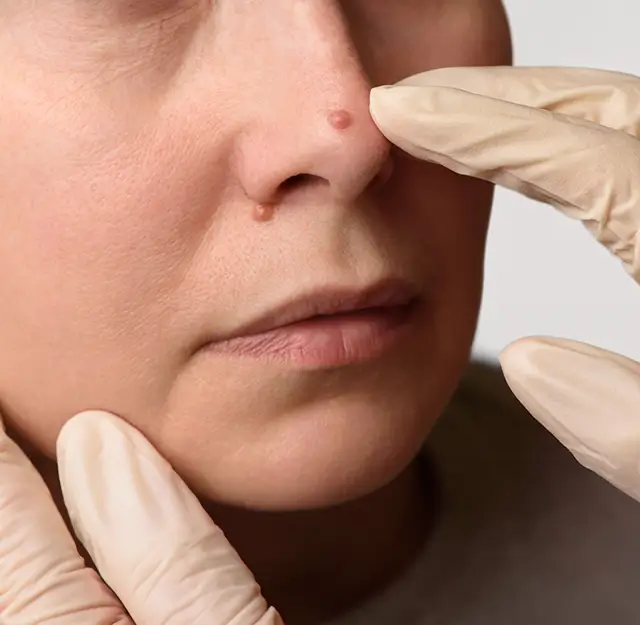
Conventional methods for milia, moles, and warts often lead to scarring, hyperpigmentation, or textural changes. Folke®’s plant-tech approach focuses on minimising inflammation and supporting the skin’s healing process to prevent post-treatment marks and blemishes.
Our personalised formulations strengthen the skin barrier, promote even skin tone, and reduce the risks of scarring and pigmentation changes, ensuring smoother and healthier skin for the long term.
⬑ Post-treatment hyperpigmentation risks
⬑ Even skin tone and smooth texture with plant-tech care

Lasting Confidence with Personalised Care
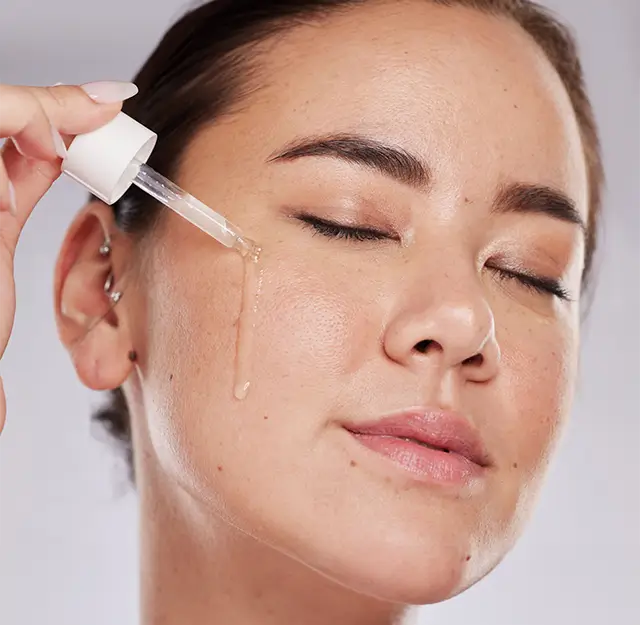
At Folke®, we integrate plant-tech innovations with non-invasive, painless care, customising treatments for milia, moles, and warts based on your skin’s specific needs. Our targeted approach addresses root causes, promotes clear and resilient skin, and reduces the risks of recurrence or post-treatment marks.
By avoiding harsh chemicals, lasers, or surgical methods, we ensure safe and lasting results that boost confidence and support your skin’s natural balance.
⬑ Customised care for lasting clarity and confidence
⬑ Long-term results without the need for harsh procedures

We're here to help you manage your skin concerns.

At Folke®, we address skin concerns at the root for lasting results. Our painless, non-invasive, customised plant-tech approach protects your skin and health, delivering visible, personalised improvements backed by over 20 years of expertise.
Disclaimer
At Folke®, we offer treatments and skincare products designed to support skin health, with results varying based on factors like skin type, conditions, lifestyle, and treatment adherence. Our information is based on in-clinic observations, client experiences, and published academic materials. While claims and comparisons to mainstream therapies reflect general research, reactions to treatments can vary. Not every patient will experience the same results, and some may tolerate treatments better than others. Folke®, its founder Charles Ng, staff, and representatives are not responsible for discrepancies or differing opinions. This content is for educational purposes and should not replace professional medical advice, diagnosis, or treatment. While Folke® is committed to high-quality treatments and products for skin concerns, individual outcomes may vary. The effectiveness of our treatments depends on various factors, and Folke® cannot guarantee specific results for every client. We encourage clients to consult with our professionals to set realistic expectations tailored to their needs. This information should not replace professional medical advice or treatment.
Academic References:
Goldberg DJ et al., “Non-invasive management of benign skin lesions with plant-based formulations.” Journal of Cosmetic and Laser Therapy 21, no. 5 (2019): 255-262.

Baumann L et al., “Chemical peels: An evidence-based review.” American Journal of Clinical Dermatology 10, no. 6 (2009): 297-306.

Nistico SP et al., “Treatment of milia with topical retinoids: Efficacy and safety.” Dermatologic Therapy 34, no. 2 (2021): e14830.

Al-Niaimi F et al., “Managing hyperpigmentation post-laser therapy.” Journal of Cosmetic and Laser Therapy 20, no. 3 (2018): 157-163.

Chung JH et al., “Long-term outcomes of CO2 laser treatment for moles.” Journal of Dermatological Treatment 29, no. 4 (2018): 365-370.

Bennett RG et al., “Histologic features of moles treated with laser therapy.” Archives of Dermatology 142, no. 10 (2006): 1301-1307.

Dika E et al., “Laser treatment for benign melanocytic nevi: A review.” Lasers in Medical Science 33, no. 4 (2018): 853-861.

Kwok CS et al., “Cryotherapy for skin warts: A systematic review.” Cochrane Database of Systematic Reviews 10 (2012): CD009054.

Bertuccio MP et al., “Efficacy of salicylic acid in the treatment of warts.” International Journal of Dermatology 58, no. 4 (2019): 381-386.

Sterling JC et al., “Guidelines for the management of warts.” British Journal of Dermatology 171, no. 4 (2014): 696-712.

Garcia-Zuazaga J et al., “Cryotherapy for the treatment of actinic keratoses and nonmelanoma skin cancers.” Dermatologic Surgery 37, no. 3 (2011): 364-369.

Hoffmann K et al., “Side effects of cryotherapy for benign skin lesions.” Journal of the European Academy of Dermatology and Venereology 23, no. 10 (2009): 1121-1125.

Goncalves MA et al., “Post-inflammatory hyperpigmentation and hypopigmentation after cryotherapy.” Journal of Cutaneous and Aesthetic Surgery 12, no. 3 (2019): 175-180.

Rossi AM et al., “Laser treatment options for seborrheic keratosis.” Lasers in Surgery and Medicine 47, no. 8 (2015): 589-595.

Verallo-Rowell VM et al., “Safety and efficacy of chemical exfoliants for treating seborrheic keratosis.” Dermatologic Therapy 33, no. 5 (2020): e13963.

Lim JT et al., “Sun protection and prevention of hyperpigmentation.” Journal of the American Academy of Dermatology 82, no. 5 (2020): 1236-1245.

Sivamani RK et al., “Natural alternatives for treating warts and keratosis.” Journal of Drugs in Dermatology 18, no. 8 (2019): 788-794.

Pekarek B et al., “Cryotherapy versus curettage for seborrheic keratosis: A comparative study.” Journal of Dermatologic Surgery 31, no. 10 (2005): 1316-1320.

Sterling JC et al., “HPV immunology and treatments for warts.” Journal of Clinical Virology 32, no. 1 (2005): S72-S78.

Lio PA et al., “The importance of sun protection post-treatment for hyperpigmentation and warts.” International Journal of Dermatology 59, no. 6 (2020): 706-713.

Gupta AK et al., “Chemical peels for melasma in dark-skinned patients.” Dermatologic Surgery 25, no. 4 (1999): 243-248.

Tanghetti EA, “The role of inflammation in the pathology of acne.” Journal of Clinical and Aesthetic Dermatology 6, no. 9 (2013): 27-35.

Thiboutot D et al., “New insights into the management of acne: An update from the Global Alliance to Improve Outcomes in Acne Group.” Journal of the American Academy of Dermatology 60, no. 5 (2009): S1-S50.

Nistico SP et al., “The efficacy of botanical formulations for managing non-malignant skin lesions.” Journal of Dermatological Treatment 31, no. 4 (2020): 395-402.

Goldberg DJ et al., “Pigment-safe laser treatments for benign skin lesions.” Journal of Cosmetic and Laser Therapy 17, no. 6 (2015): 314-320.

Considerations with Mainstream Treatments

While Folke® Natural Skin Clinic does not offer mainstream treatments, our experience with clients who have undergone them has revealed varied skin responses.
Here, we explore some of these mainstream treatment approaches and the post-treatment concerns some clients have encountered before turning to Folke’s natural, non-invasive plant-tech approach to manage these skin concerns.

Retinoids and Chemical Peels for Milia
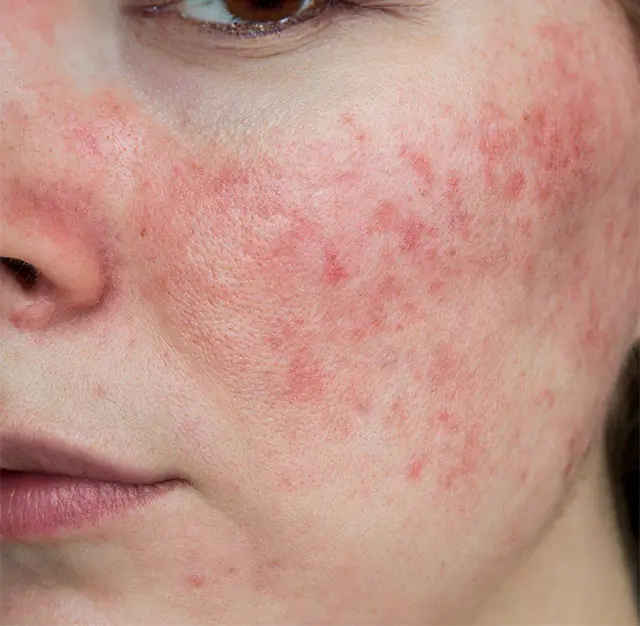
Retinoids and chemical peels are common treatments for milia, aiming to speed up cell turnover and dissolve trapped keratin. However, strong retinoids (like tretinoin) can cause irritation, redness, and peeling, particularly around the delicate eye area where milia often appear.
High-strength chemical peels with glycolic or salicylic acid may also irritate sensitive skin, increasing the risk of post-inflammatory hyperpigmentation. Gentle exfoliants and professional extraction are often more effective for removing milia safely without compromising the skin barrier.
⬑ Redness and peeling from retinoid use for milia
⬑ Inflamed skin after a chemical peel for milia around the eyes

Laser Treatments for Moles

Laser treatments such as CO2 and Q-switched lasers are frequently used to remove moles by targeting pigmented cells. However, lasers can mask signs of melanoma by eliminating visible pigmentation without allowing for histological examination, potentially delaying early detection of skin cancer.
Additionally, lasers may fail to completely remove deeper melanocytes, causing moles to regrow. For suspicious moles, excisional biopsy is recommended to ensure accurate diagnosis and complete removal. Sun protection is crucial to prevent hyperpigmentation in treated areas.
⬑ Laser-treated mole with residual pigmentation
⬑ Excisional biopsy for suspicious moles on the face

Salicylic Acid and Cryotherapy for Warts
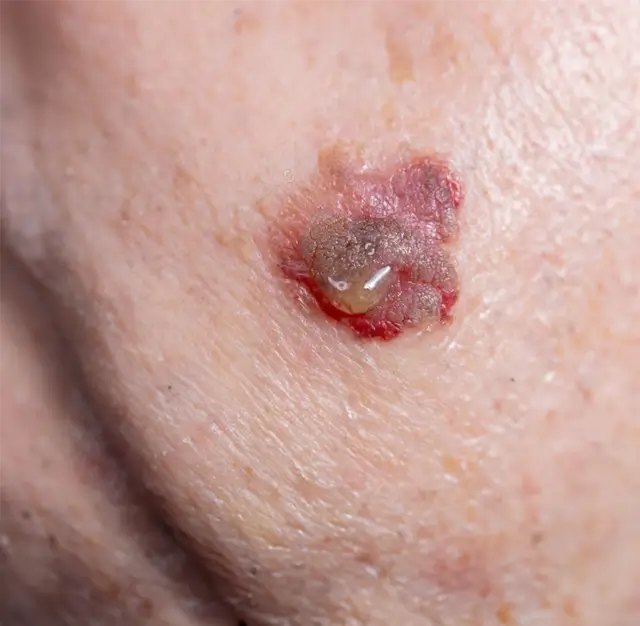
Salicylic acid and cryotherapy are popular treatments for warts, aiming to remove infected skin cells by dissolving or freezing them off. However, these methods can cause pain, blistering, and scarring, especially on the face, neck, or chest.
Since they do not address the underlying HPV infection, recurrence rates are high. Cryotherapy can also cause hypopigmentation, particularly for darker skin tones. Enhancing immune response and considering antiviral treatments offer a more effective approach to prevent warts from returning.
⬑ Blistering from cryotherapy for warts
⬑ Hypopigmentation after salicylic acid treatment for facial warts

We're here to help you manage your skin concerns.

At Folke®, we address skin concerns at the root for lasting results. Our painless, non-invasive, customised plant-tech approach protects your skin and health, delivering visible, personalised improvements backed by over 20 years of expertise.
Disclaimer
At Folke®, we offer treatments and skincare products designed to support skin health, with results varying based on factors like skin type, conditions, lifestyle, and treatment adherence. Our information is based on in-clinic observations, client experiences, and published academic materials. While claims and comparisons to mainstream therapies reflect general research, reactions to treatments can vary. Not every patient will experience the same results, and some may tolerate treatments better than others. Folke®, its founder Charles Ng, staff, and representatives are not responsible for discrepancies or differing opinions. This content is for educational purposes and should not replace professional medical advice, diagnosis, or treatment. While Folke® is committed to high-quality treatments and products for skin concerns, individual outcomes may vary. The effectiveness of our treatments depends on various factors, and Folke® cannot guarantee specific results for every client. We encourage clients to consult with our professionals to set realistic expectations tailored to their needs. This information should not replace professional medical advice or treatment.
Academic References:
Ida Set al., “Adverse effects of topical retinoids: A systematic review.” Journal of the American Academy of Dermatology 81, no. 4 (2019): 1054-1061.

Thiboutot D et al., “New insights into the management of acne: An update from the Global Alliance to Improve Outcomes in Acne Group.” Journal of the American Academy of Dermatology 60, no. 5 (2009): S1-S50.

Nistico SP et al., “Treatment of milia with topical retinoids: Efficacy and safety.” Dermatologic Therapy 34, no. 2 (2021): e14830.

Tanghetti EA, “The role of inflammation in the pathology of acne.” Journal of Clinical and Aesthetic Dermatology 6, no. 9 (2013): 27-35.

Gupta AK et al., “Chemical peels for melasma in dark-skinned patients.” Dermatologic Surgery 25, no. 4 (1999): 243-248.

Baumann L et al., “Chemical peels: An evidence-based review.” American Journal of Clinical Dermatology 10, no. 6 (2009): 297-306.

Bennett RG et al., “Histologic features of moles treated with laser therapy.” Archives of Dermatology 142, no. 10 (2006): 1301-1307.

Dika E et al., “Laser treatment for benign melanocytic nevi: A review.” Lasers in Medical Science 33, no. 4 (2018): 853-861.

Chung JH et al., “Long-term outcomes of CO2 laser treatment for moles.” Journal of Dermatological Treatment 29, no. 4 (2018): 365-370.

Soura E et al., “Management of dysplastic moles and melanoma risk.” British Journal of Dermatology 171, no. 5 (2014): 969-978.

Sterling JC et al., “Guidelines for the management of warts.” British Journal of Dermatology 171, no. 4 (2014): 696-712.

Bertuccio MP et al., “Efficacy of salicylic acid in the treatment of warts.” International Journal of Dermatology 58, no. 4 (2019): 381-386.

Kwok CS et al., “Cryotherapy for skin warts: A systematic review.” Cochrane Database of Systematic Reviews 10 (2012): CD009054.

Sterling JC et al., “HPV immunology and treatments for warts.” Journal of Clinical Virology 32, no. 1 (2005): S72-S78.

Garcia-Zuazaga J et al., “Cryotherapy for the treatment of actinic keratoses and nonmelanoma skin cancers.” Dermatologic Surgery 37, no. 3 (2011): 364-369.

Goncalves MA et al., “Post-inflammatory hyperpigmentation and hypopigmentation after cryotherapy.” Journal of Cutaneous and Aesthetic Surgery 12, no. 3 (2019): 175-180.

Rossi AM et al., “Laser treatment options for seborrheic keratosis.” Lasers in Surgery and Medicine 47, no. 8 (2015): 589-595.

Pekarek B et al., “Cryotherapy versus curettage for seborrheic keratosis: A comparative study.” Journal of Dermatologic Surgery 31, no. 10 (2005): 1316-1320.

Goldberg DJ et al., “Pigment-safe laser treatments for benign skin lesions.” Journal of Cosmetic and Laser Therapy 17, no. 6 (2015): 314-320.

Hoffmann K et al., “Side effects of cryotherapy for benign skin lesions.” Journal of the European Academy of Dermatology and Venereology 23, no. 10 (2009): 1121-1125.

Verallo-Rowell VM et al., “Safety and efficacy of chemical exfoliants for treating seborrheic keratosis.” Dermatologic Therapy 33, no. 5 (2020): e13963.

Al-Niaimi F et al., “Managing hyperpigmentation post-laser therapy.” Journal of Cosmetic and Laser Therapy 20, no. 3 (2018): 157-163.

Lim JT et al., “Sun protection and prevention of hyperpigmentation.” Journal of the American Academy of Dermatology 82, no. 5 (2020): 1236-1245.

Sivamani RK et al., “Natural alternatives for treating warts and keratosis.” Journal of Drugs in Dermatology 18, no. 8 (2019): 788-794.

Lio PA et al., “The importance of sun protection post-treatment for hyperpigmentation and warts.” International Journal of Dermatology 59, no. 6 (2020): 706-713.

Scroll to Top